Car sickness on mountain roads comes from the mismatch between what your eyes see and what your inner ear feels on bend after bend, and the final climbs to Alpine resorts have plenty of bends. Sitting facing forward, looking at the horizon, keeping fresh air flowing and avoiding screens make the biggest difference, and short breaks help children. An experienced AirportsTransfers.ch chauffeur drives those roads smoothly, which also helps.
- Main cause: conflicting signals from the eyes and the balance system in the inner ear
- Where it happens: the hairpin climbs at the end of most resort journeys
- Best seat: forward-facing with a clear view through the windscreen
- Avoid: reading, screens, heavy meals and stuffy air
- For children: breaks, distraction, a sick bag within reach and a word with the driver
Why winding roads trigger it
Motion sickness happens when your brain receives conflicting messages. Your inner ear senses the car swinging around bends and climbing, while your eyes, fixed on a phone or the seat in front, report that you are still. The brain struggles to reconcile the two, and the result can be anything from mild queasiness and yawning to sweating, headache and vomiting.
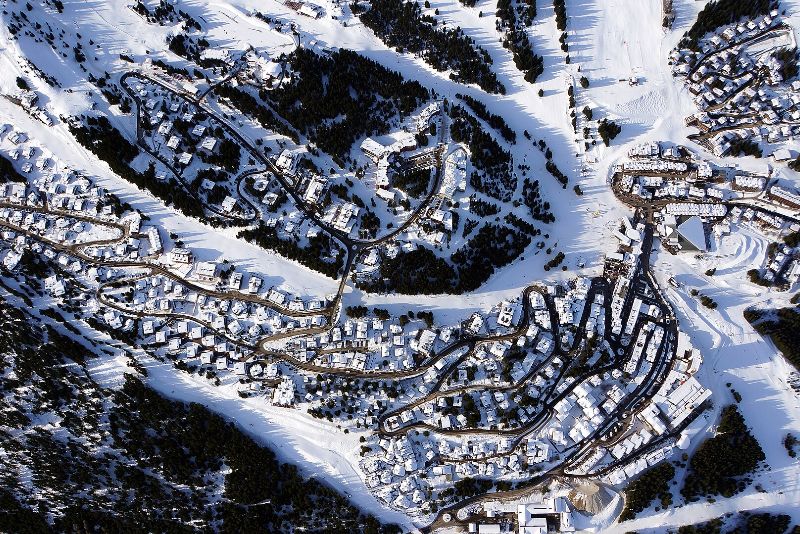
Most transfers from Geneva start on fast, straight motorway. The challenge comes at the end: roads up to Verbier, Crans-Montana, Courchevel or Val d'Isère include long series of switchbacks, and these are where passengers who felt fine for an hour can start to feel unwell.
Before you set off
Preparation begins at the airport:
- Eat something light and plain rather than a heavy or greasy meal
- Avoid alcohol on the flight if you are prone to motion sickness
- Drink water but not large quantities just before the climb
- Take any motion sickness remedy in advance, following the instructions and, for children, advice from a pharmacist
- Wear comfortable layers so you can cool down quickly
If someone in your group suffers regularly, mention it when booking or to the chauffeur at the start. It helps to plan seating and a possible stop.
During the drive
Sit where you can see the road ahead, ideally facing forward in the front row of a van or behind the driver's line of sight in a sedan. Look at the horizon or the road rather than down. Fresh, cool air works wonders, so ask for the temperature to be lowered or a window opened slightly. Close your eyes and rest your head if you start to feel uneasy; sleep removes the visual conflict altogether.
Phones, books and tablets are the main culprits. Save messages until you reach the village, or use voice notes and audio instead of reading. Chewing gum or sipping water can help some people, and slow, steady breathing calms early symptoms. Ginger biscuits or plain crackers are a traditional standby worth keeping in a pocket.
Helping children
Children between about two and twelve are particularly prone to motion sickness. A few tactics help families arrive in good shape:
- Seat them where they can see out of the front, using a booster or child seat at the right height
- Replace screens with audiobooks, music or games like spotting animals and landmarks
- Pack a change of clothes, wipes and sick bags in an easy-to-reach bag
- Ask the chauffeur for a quick stop at the foot of the climb if a child seems pale or quiet
Paleness, unusual quietness and yawning are early warning signs. Acting on them, with fresh air or a short stop, often prevents things from going further.
Smooth driving makes a difference
How a vehicle is driven matters as much as the road. Gradual braking before bends, gentle acceleration out of them and a steady line through hairpins reduce the sideways forces that set off sickness. Professional chauffeurs who drive these roads every week know where the tight bends are and adjust their pace accordingly, especially with children on board.
For a long journey, a break also restores comfort. Trips such as Zermatt via Täsch, about 231 km and 2 h 35, or Val d'Isère, about 180 km and 2 h 45, are long enough that a stop for fresh air can be worthwhile, while shorter runs to Megève, around 75 km and 1 h 10, are usually manageable straight through.
Booking a comfortable transfer
Through AirportsTransfers.ch you can book online, see the fixed price per vehicle before paying by card, Apple Pay or Google Pay, and add child seats on request. Your chauffeur tracks the flight, meets you in arrivals with a name sign and waits if you land late. Note any motion sickness or a request for a break in the booking comments, and declare skis and boards so the right vehicle is sent. You can also call or WhatsApp +41 78 346 56 77, at any hour.