Switzerland is the strictest of the three: 120 km/h on motorways, 80 km/h on main roads outside towns and 50 km/h in built-up areas, while France and Italy allow 130 km/h on motorways in good conditions. Signed limits always take precedence, and enforcement on both sides of the Alps is serious. A chauffeur from AirportsTransfers.ch is paid a fixed price for the journey, not for speed, so there is never a reason to push the pace.
- Switzerland: 120 km/h motorways, 100 km/h expressways, 80 km/h outside towns, 50 km/h in towns
- France: 130 km/h motorways (110 km/h in rain), usually 80 km/h on two-lane roads, 50 km/h in towns
- Italy: 130 km/h motorways (110 km/h in rain), 90 km/h on secondary roads, 50 km/h in towns
- Golden rule: the sign by the road beats any general figure
- Typical transfer routes: Swiss motorways to Valais and Vaud, French autoroutes to Haute-Savoie and Savoie, Italian roads via the Mont Blanc Tunnel
Switzerland: lower limits, firm enforcement
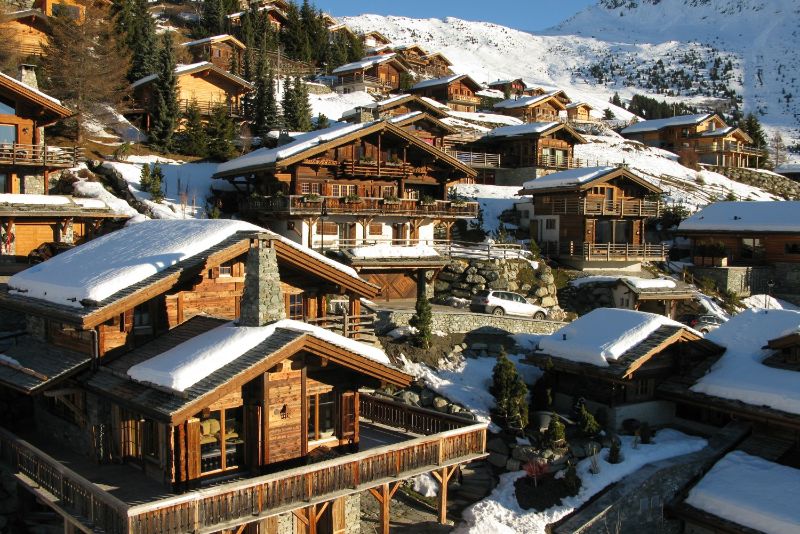
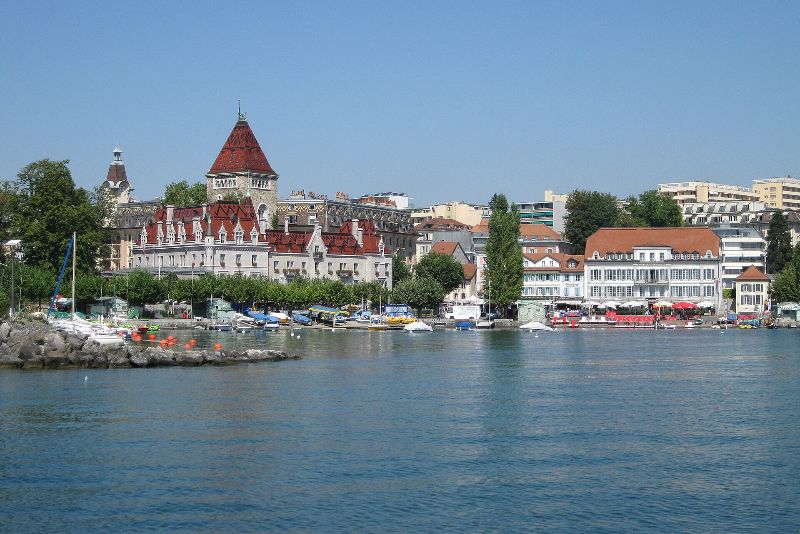
Anyone driving out of Geneva Airport towards Lausanne, Montreux or the Valais resorts joins the Swiss motorway network, where the general limit is 120 km/h. Expressways, the dual carriageways that are not full motorways, are usually limited to 100 km/h. Outside built-up areas the default is 80 km/h, and inside towns and villages it is 50 km/h, with many residential streets and village centres reduced to 30 km/h. Mountain roads leading up to resorts such as Verbier or Crans-Montana are often signed lower still, with hairpins and narrow sections where the safe speed is well below any limit.
Swiss enforcement has a reputation for being thorough. Fixed and mobile cameras are common, including in tunnels and on approach roads to towns, and the penalty system rises steeply with the size of the excess. Serious speeding is treated as a criminal matter rather than a simple fine. For visitors this simply means that Swiss traffic flows at a steady, predictable pace, and drive times on Swiss routes are rarely shortened by heavy right feet.
France: higher motorway limits, weather-dependent rules
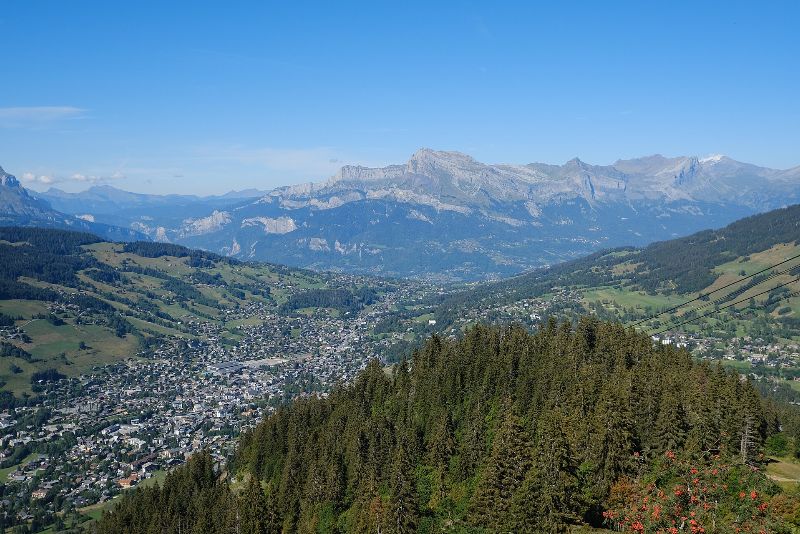
Many skiers leaving Geneva head into France, towards Chamonix, Megève, Annecy or the large Tarentaise resorts. On French autoroutes the general limit is 130 km/h in dry conditions, dropping to 110 km/h when it rains. On dual carriageways outside towns the limit is generally 110 km/h. Ordinary two-lane roads without a central barrier have been limited to 80 km/h since 2018, although some départements have chosen to restore 90 km/h on certain stretches, so the signs matter more than ever. In towns the limit is 50 km/h, and many centres now apply 30 km/h zones.
France relies heavily on automatic cameras, including average-speed sections and mobile units in unmarked cars. Penalties apply to the vehicle whatever its country of registration, and Swiss and French authorities cooperate on traffic matters. In winter, valley roads approaching resorts are often slower than their limits suggest because of snow, ice and heavy weekend traffic, which is why a sensible journey estimate always includes a margin.
Italy: similar headline figures, different roads
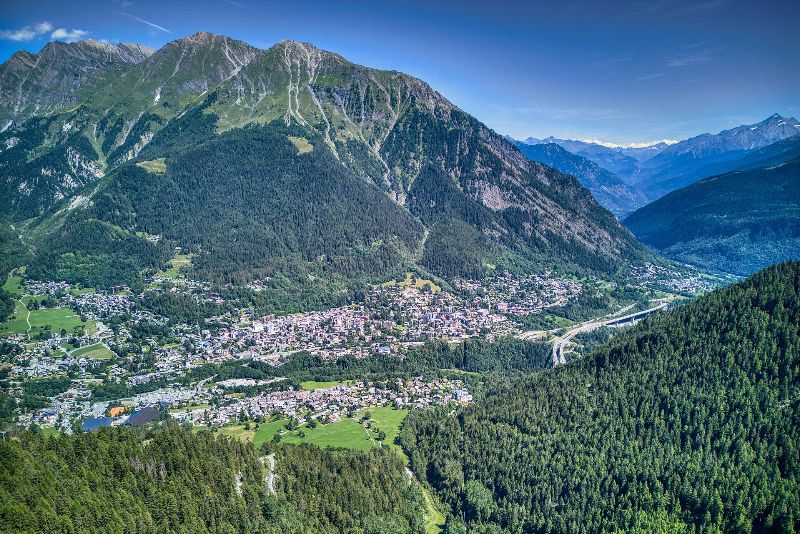
Travellers heading for Courmayeur, the Aosta Valley, Turin or Milan reach Italy either through the Mont Blanc Tunnel from Chamonix or via the Great St Bernard route from the Valais. Italian autostrade carry a general limit of 130 km/h, reduced to 110 km/h in rain, while main dual carriageways outside towns are usually 110 km/h and secondary roads 90 km/h. Towns are 50 km/h. The Mont Blanc Tunnel itself has its own lower limit and strict spacing rules between vehicles, enforced with clear markings on the road surface.
Italy uses average-speed systems on many motorway sections, which measure your speed between two points rather than at one camera. The effect is the same as elsewhere: steady driving at or below the limit is the only sensible approach.
Why fixed-price transfers never need to rush
With a metered taxi or a pricing model based on time, there can be a temptation to make up minutes. A fixed-price transfer works differently: the price for the vehicle is agreed before the journey and does not change if the trip takes ten minutes longer because of a queue at the border or a slow lorry on a mountain road. The chauffeur's job is to arrive safely and on time, and the realistic timing is built into the pick-up, not squeezed out on the road.
This matters most on departure days. Rather than leaving late and hoping to make up time on the motorway, a well-planned transfer sets a pick-up time with a comfortable margin for traffic, weather and airport procedures. Passengers can sleep, work or talk with family instead of watching the speedometer, and the driver stays within every limit in every country crossed.
Booking a calm, legal journey with AirportsTransfers.ch
When you reserve a transfer with AirportsTransfers.ch, the fixed price for the vehicle appears before you pay, and you can settle it online by card, Apple Pay or Google Pay. Your chauffeur tracks your flight, waits for you in arrivals with a name sign and then drives at a steady, legal pace to Switzerland, France or Italy. Choose a Mercedes E-Class or S-Class for smaller parties, a V-Class van for up to seven passengers and their skis, or a Sprinter minibus for groups. Child seats are available on request, and skis or snowboards should be declared when booking so the right vehicle is sent. For questions about a route or timing, call or message +41 78 346 56 77 on phone or WhatsApp, at any hour.