Most Alpine ski villages sit at moderate altitude, but high resorts and the upper slopes can still leave some visitors with headaches, poor sleep or breathlessness for the first day or two. These effects are usually mild and fade as the body adjusts, especially if you drink plenty of water, go easy on alcohol and rest after the journey. A relaxed AirportsTransfers.ch transfer from Geneva helps you arrive rested rather than drained.
- Who feels it: anyone, regardless of fitness, though most people notice little
- Typical signs: mild headache, tiredness, poor sleep, shortness of breath on stairs
- Where: high resorts and especially the top lift stations and glaciers
- What helps: water, light meals, less alcohol, a gentle first day
- When to worry: severe or worsening symptoms, confusion or breathlessness at rest
Why altitude affects the body
As you go higher, air pressure falls, so each breath contains fewer oxygen molecules. The body responds by breathing faster and raising the heart rate, and over a few days it adapts further. Most people do not notice any change in a valley town, but some feel the difference when they arrive in a high village or ride a lift to the top of a ski area in one go.
Fitness does not protect you: a marathon runner can feel the altitude more than an unfit relative. Age, previous experience and how quickly you ascend all play a part, as does how tired or dehydrated you are when you arrive.
How high are Alpine resorts?
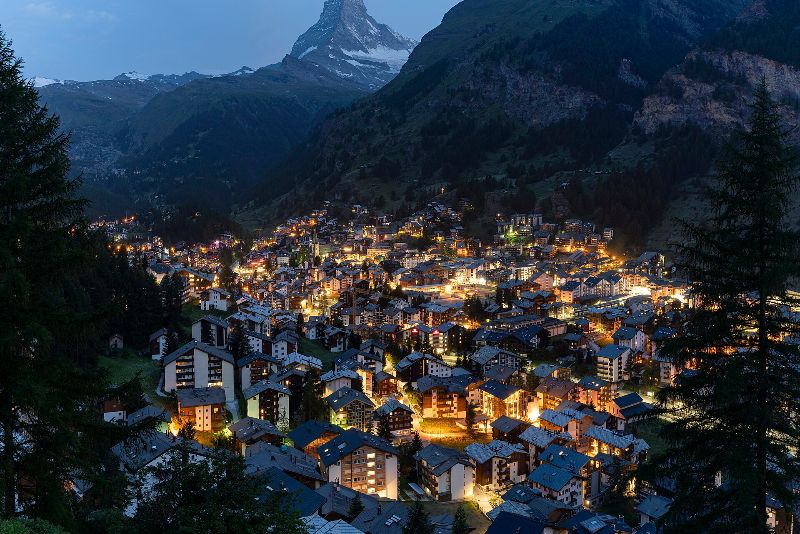
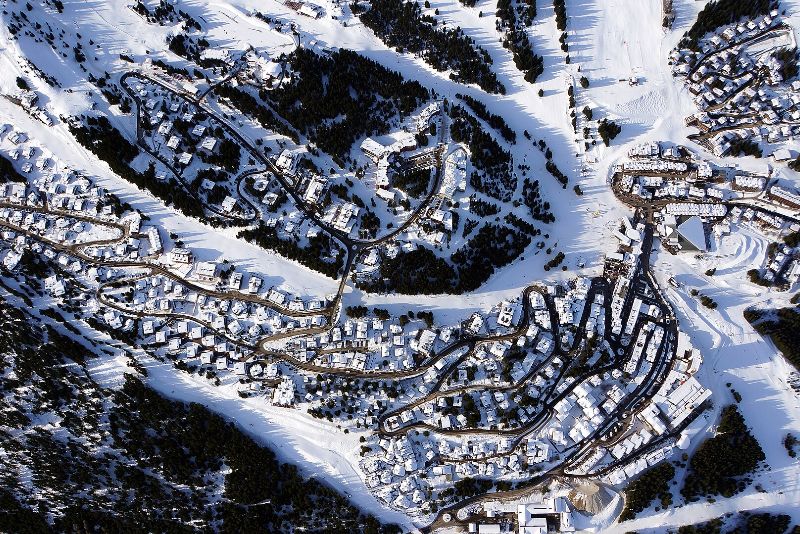
Most villages in the Alps lie at moderate altitudes, where serious altitude illness is very unusual. Some resorts are noticeably higher, and many ski areas rise well above their village, with lifts reaching high summits and glaciers. Zermatt, reached via Täsch in about 2 h 35 from Geneva Airport, gives access to some of the highest lifts in the Alps, while purpose-built stations in the Tarentaise, such as those above Courchevel or around Val d'Isère, place you higher from the moment you step out of the car.
The jump from Geneva, near lake level, to a high resort in a few hours is what some travellers feel, particularly on the first night.
Common symptoms
Mild effects typically appear within hours of arrival and include:
- A dull headache, often worse in the evening
- Feeling more tired than the journey alone would explain
- Difficulty falling asleep or waking during the night
- Breathlessness when climbing stairs or carrying skis
- Reduced appetite or mild nausea
These usually ease after a day or two. Children may be less able to describe how they feel, so watch for unusual irritability, tiredness or loss of appetite.
Easing into the first days
Simple habits make a real difference. Drink water regularly, as the mountain air is dry and you lose moisture quickly when skiing. Keep alcohol modest on the first evening, because it disrupts sleep and adds to dehydration. Eat light, regular meals and take a short walk around the village rather than heading straight to the highest lift.
On the slopes, warm up on lower runs before going to the top, take breaks and listen to your body. Sun cream and sunglasses matter more at altitude, because ultraviolet radiation is stronger and snow reflects it.
Resting after the transfer
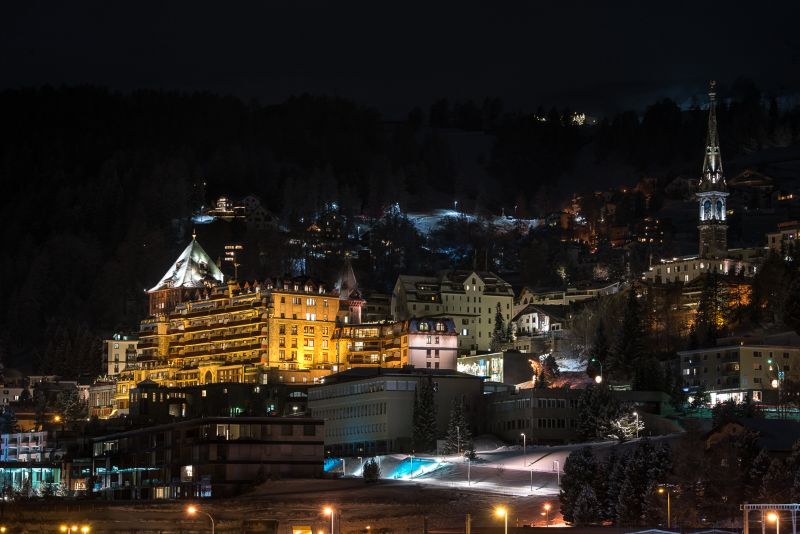
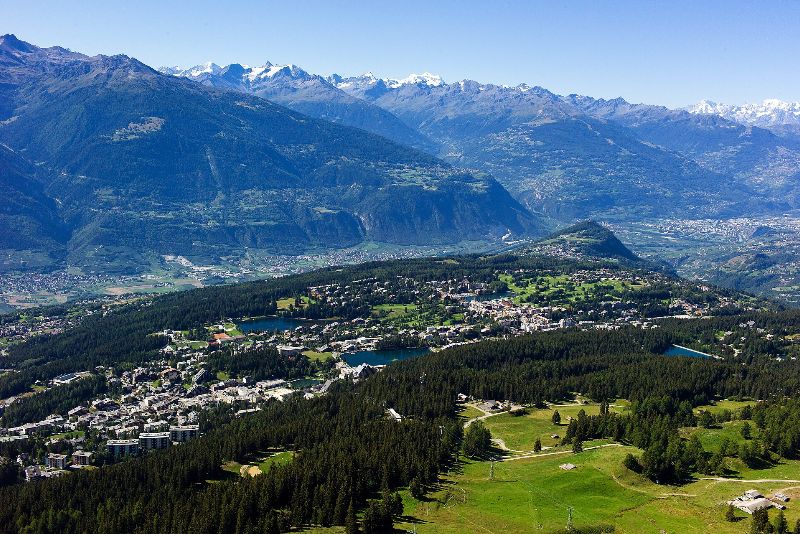
The journey itself can be tiring: an early alarm, a flight, airport queues and a drive into the mountains. Arriving exhausted makes any altitude symptoms feel worse. A private transfer helps because you can sleep, drink water and stretch out rather than navigating trains or mountain roads yourself. Ask your chauffeur for a short break on a longer journey if you need one; a trip to Crans-Montana is about 190 km and 2 h 15, and to St. Moritz roughly 400 km and 5 h.
Once you arrive, give yourself time to settle in before unpacking everything and heading out. An early night is the most effective remedy of all.
Mild symptoms that improve are part of normal adjustment. If headaches become severe, if someone is confused, unusually drowsy or breathless at rest, or if symptoms get worse instead of better, seek medical advice promptly from a resort doctor or by calling 144 in Switzerland or 112 anywhere in the region. Descending to a lower altitude is the most effective treatment for genuine altitude illness. People with heart or lung conditions should consult their doctor before travelling to high resorts.
Booking a restful journey
Book online with AirportsTransfers.ch and the fixed price for your vehicle appears before you pay by card, Apple Pay or Google Pay. A chauffeur waits in arrivals with your name on a sign, tracks your flight and includes waiting time if you land late. Child seats are available on request, and skis or boards should be declared at booking. For a question about breaks or timing, call or WhatsApp +41 78 346 56 77, 24/7.