Alpine roads close when local authorities judge that avalanche danger to traffic is too high, often for a few hours after heavy snowfall, occasionally for a day or more. Galleries, barriers and controlled releases keep most resort roads open through the winter, and closures are usually short and well signposted. AirportsTransfers.ch monitors conditions on every winter route and adjusts timing or routing so that passengers reach their resort, or their flight, as smoothly as conditions allow.
- Who decides: cantonal, departmental or municipal authorities, advised by avalanche specialists
- Typical triggers: heavy snowfall, strong wind, rapid warming or rain on snow
- Protection: avalanche galleries, snow fences, and controlled releases
- Duration: usually hours, sometimes longer in exceptional storms
- Transfers: adjusted timing, alternative routes or rail connections
How avalanche danger is assessed
National avalanche services publish daily bulletins during the winter, rating danger on a five-level European scale from low to very high. In Switzerland, this is the role of the WSL Institute for Snow and Avalanche Research SLF; in France, Météo-France issues bulletins by massif. These forecasts are aimed at both backcountry skiers and road authorities.
For roads, local avalanche commissions or safety officers go further. They know which slopes above a specific road can release, how much snow they hold and what weather sets them off. When conditions approach a critical point, they recommend closing the road, often before a single avalanche has fallen.
How roads are protected
Most of the road network leading to major ski resorts has been engineered to stay open in winter. Avalanche galleries, concrete roofs built over the road where slopes regularly release, allow snow to slide over traffic. Snow fences and barriers high on the slopes hold snow in place, and dams or deflecting walls steer flows away from the carriageway.
Many roads also benefit from controlled releases. Specialists deliberately trigger avalanches with explosives or fixed systems while the road is closed, then clear the debris and reopen it. This is why travellers sometimes see short, planned closures early in the morning after a storm: they are a sign of the system working as designed.
What closures look like in practice
Closures are signalled by barriers and signs at the start of the affected section, by traffic lights in some valleys, and by announcements on road information services and local radio. Some roads have sections that close automatically or in convoy, letting vehicles through at set intervals when it is safe.
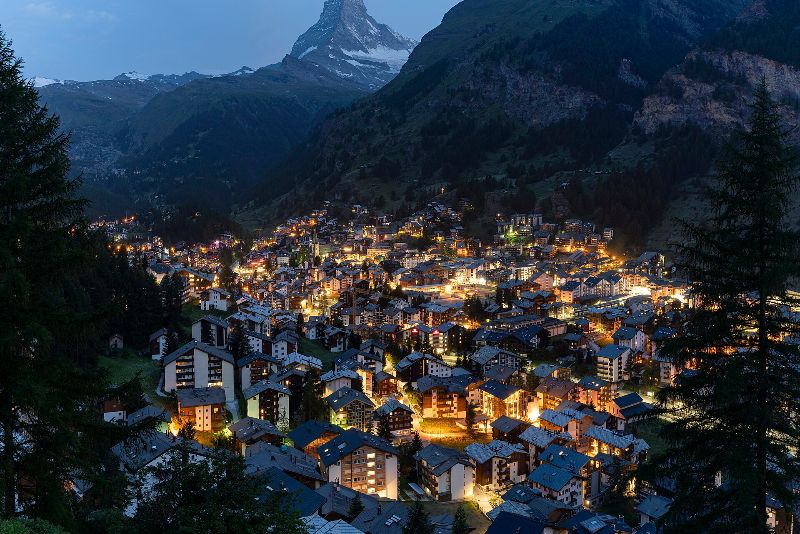
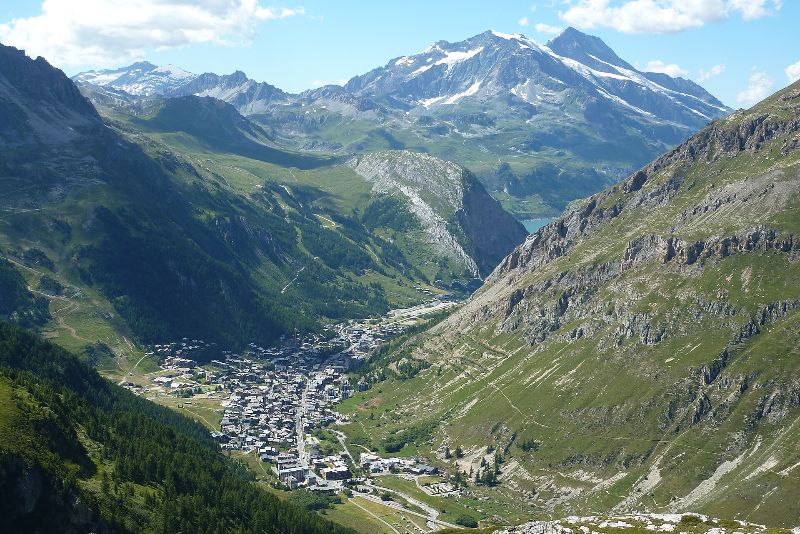
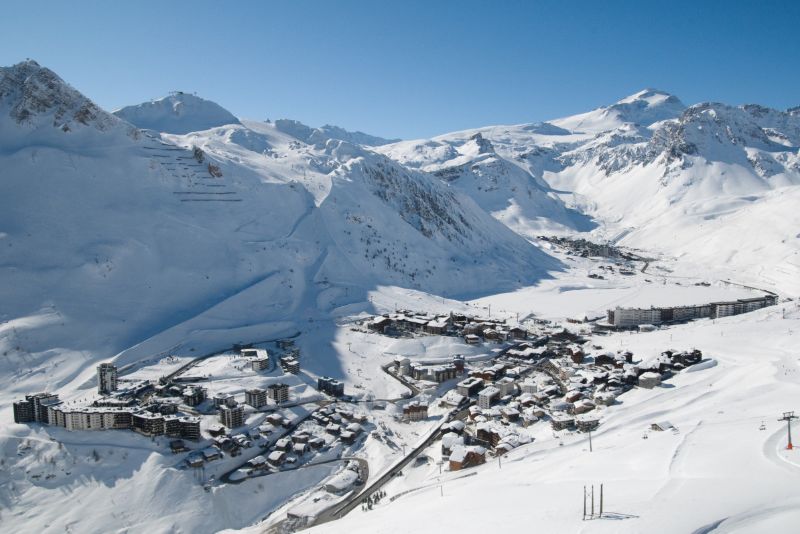
Typical cases include the road up the Mattertal towards Täsch and Zermatt, the upper Tarentaise towards Val d'Isère and Tignes, and access to high villages in the Valais. Even the main Rhône valley can occasionally see restrictions in exceptional winters. In the worst cases, resorts can be cut off for a day or two, with helicopter shuttles or rail used when possible.
How a transfer company adapts
For a private transfer, the key is information and flexibility. Before leaving, chauffeurs check official road status, avalanche bulletins and weather forecasts for the whole route. If a closure is expected to be short, the safest approach may be to wait in a valley town until the road reopens. If it is longer, alternatives come into play: a different pass or tunnel, a car-carrying train, or a drop-off at a railway station where trains continue running.
On departure days, if the forecast suggests closures, it can be sensible to leave the resort earlier than planned to catch a flight from Geneva. Your chauffeur will suggest this proactively when conditions require it.
Practical advice for travellers
- Keep plans flexible: after heavy snowfall, allow extra time on both arrival and departure days
- Stay reachable: keep your phone on so your chauffeur can contact you about timing changes
- Pack essentials in hand luggage: medicines, chargers and warm clothes in case of a wait
- Follow official advice: closures are there for safety; never attempt to bypass a barrier
Most winter journeys pass without any closure at all. These measures matter on a handful of days each season, usually after major storms.
Booking a winter transfer with AirportsTransfers.ch
Winter transfers are planned around the conditions on the day. The fixed price per vehicle is shown before you pay online by card, Apple Pay or Google Pay, and a sensible change of route does not change the fare. At Geneva Airport, your chauffeur waits with a name sign and tracks your flight. Child seats are provided on request, and skis should be declared at booking so the vehicle has space. If you are worried about the forecast, call or WhatsApp +41 78 346 56 77.