When travelling from Geneva across the Alps, the choice is usually between a road tunnel, which is fast and open all year, and a mountain pass, which is slower, often seasonal, but much more scenic. Tunnels such as the Mont Blanc, Great St Bernard and Fréjus suit tight schedules and winter travel, while passes such as the Simplon, Little St Bernard or Grimsel suit unhurried summer journeys. AirportsTransfers.ch chooses the crossing for each trip based on season, traffic and what the passengers want from the drive.
- Speed: tunnels are almost always faster
- Season: tunnels run all year; most high passes close in winter
- Scenery: passes win clearly, with summits, lakes and glaciers
- Cost: major tunnels often carry a toll; passes are usually toll-free
- Reliability: tunnels are steadier, but can see queues or closures for works
The main crossings from Geneva
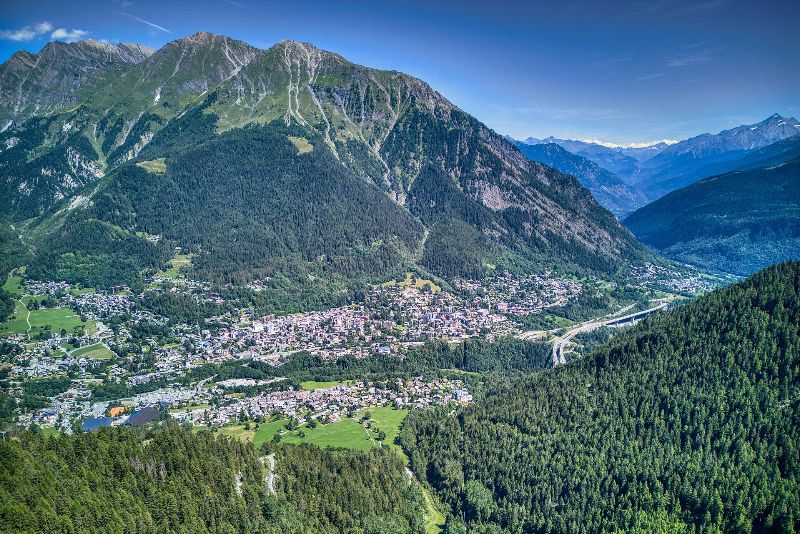
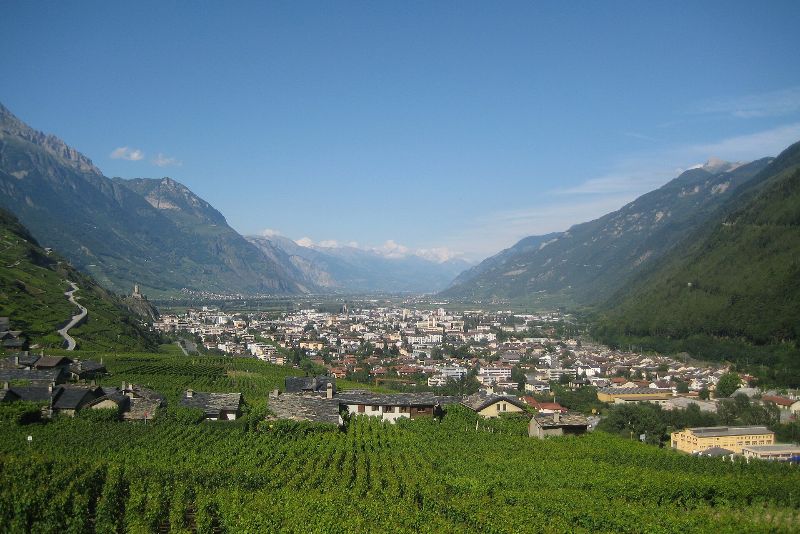
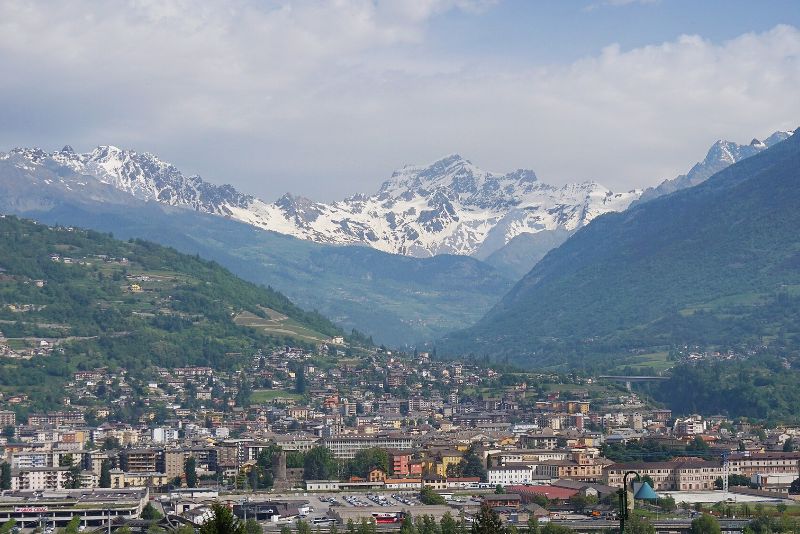
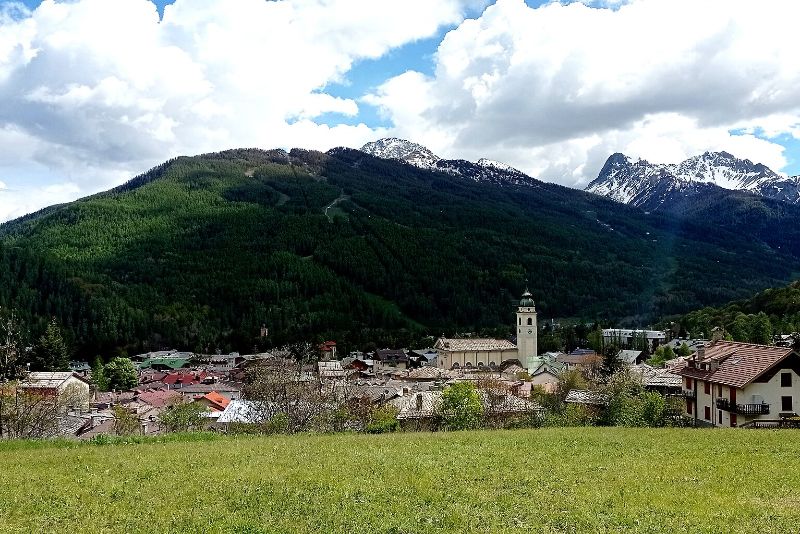
From Geneva, the Alps can be crossed towards Italy or eastern Switzerland in several ways. The Mont Blanc tunnel, reached via Chamonix, leads to Courmayeur and the Aosta Valley. The Great St Bernard tunnel, from Martigny, also reaches Aosta. The Fréjus tunnel, from the Maurienne valley, leads to Bardonecchia and Turin. The Simplon, unusually, is a pass kept open year-round, linking Brig with Domodossola. Further east, the Gotthard and San Bernardino tunnels serve Ticino.
Each of these has a summer pass alternative or companion: the Great St Bernard pass above its tunnel, the Little St Bernard for the Aosta Valley, the Mont-Cenis near the Fréjus, the Nufenen or Furka for central Switzerland.
Speed and journey time
A tunnel cuts straight through, removing the climb and descent that make passes slow. On a pass, average speeds fall sharply because of hairpins, gradients, cyclists and photo stops. For transfers to a flight, or for passengers who simply want to arrive, tunnels are the practical choice. Courmayeur, for example, is about 107 km and 1 h 30 from Geneva Airport via the Mont Blanc tunnel, a time a summer route over the Little St Bernard could not match.
That said, tunnels can create their own delays: queues at peak times, security checks, convoy systems for heavy vehicles or periodic closures for maintenance, often at night.
Seasonality and reliability
Reliability also depends on the direction and time of day. Returning to Geneva Airport for an evening flight, for example, a tunnel removes most of the uncertainty that summit weather or a slow vehicle on the hairpins could add, which is why chauffeurs generally keep pass roads for the outward leg or for days without a flight to catch.
Most high passes close for several months each winter because of snow and avalanche risk. They reopen in late spring or early summer, depending on the snowpack, and close again in autumn. Tunnels avoid this problem and are the only reliable choice from roughly November to May. A few passes, such as the Simplon, Julier, Maloja and Bernina, are kept open in winter, but they can still close for hours during storms.
In summer, passes can also close briefly after rockfall or for cycling events. A professional chauffeur checks both the planned crossing and the alternatives before departure.
Scenery, comfort and cost
Passes are where the Alps are most visible: glaciers at the Furka, reservoirs at the Grimsel, the lake on the Mont-Cenis plateau or the hospice at the Great St Bernard. For travellers with time, a pass can be the highlight of the trip. However, hairpins can bother passengers prone to travel sickness, and summit weather can be cold even in summer.
Major tunnels such as the Mont Blanc, Great St Bernard and Fréjus charge tolls, while Swiss motorway tunnels like the Gotthard and San Bernardino are covered by the motorway vignette. Pass roads are generally toll-free. With a private transfer at a fixed price, these differences are reflected in the quote rather than paid along the way.
A simple decision framework
- Catching a flight or in winter: choose the tunnel or an all-season pass
- Summer, flexible schedule: consider the pass, perhaps on the return leg only
- Children or travel sickness: favour tunnels and motorway routes
- Photography or sightseeing: book a chauffeur by the hour and include a pass
Planning your crossing with AirportsTransfers.ch
When you book, you see the fixed price per vehicle before paying online by card, Apple Pay or Google Pay, and you can mention in the notes whether you prefer the fastest route or a scenic pass. Your chauffeur meets you at Geneva Airport with a name sign, follows your flight and waits if it is delayed. Child seats are available on request, and skis should be declared at booking. For advice on which crossing suits your trip, call or WhatsApp +41 78 346 56 77.