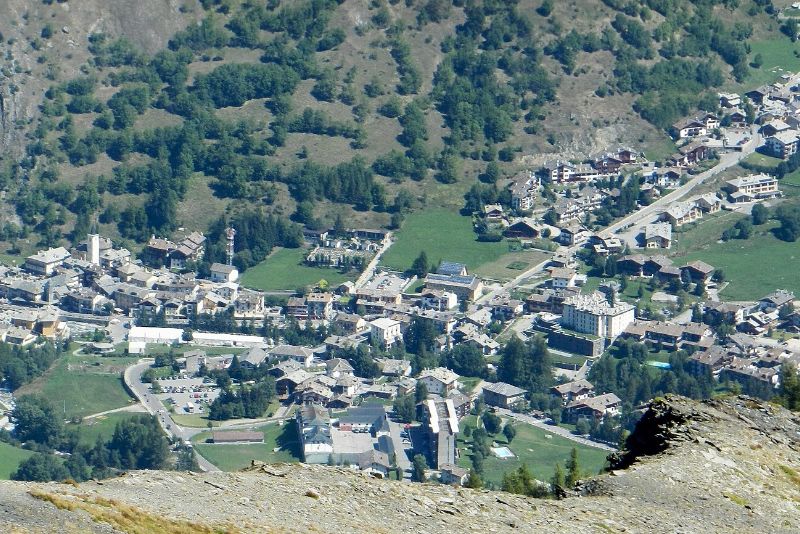
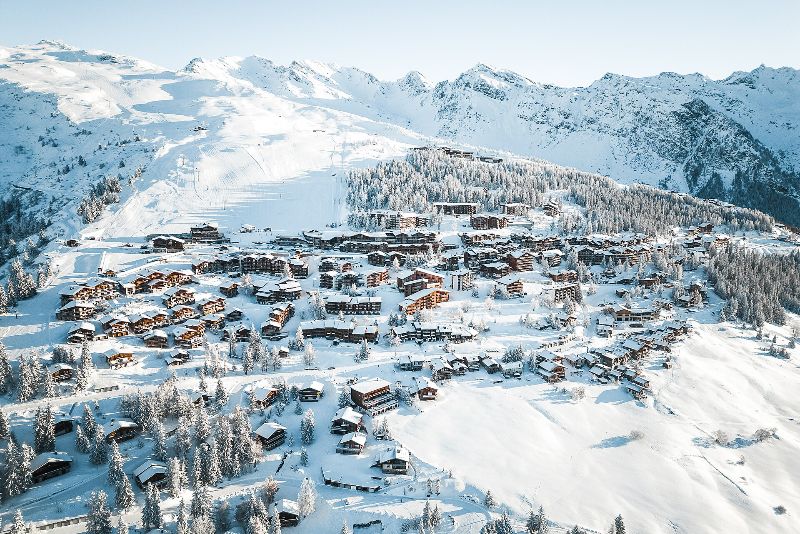
Most high Alpine passes close in winter and reopen in late spring or early summer, once snow has been cleared and avalanche risk has fallen; the exact timing changes every year. Lower or strategic routes such as the Simplon, Julier, Maloja and Brünig are kept open all year, while tunnels provide the main winter crossings. AirportsTransfers.ch checks the status of every pass on a planned route before departure and adapts the journey if a road is closed.
- Why they close: deep snow, avalanche risk, ice and the cost of clearing high roads
- Typical pattern: lower passes reopen first, the highest last
- All-season routes: Simplon, Julier, Maloja, Bernina, Brünig, Col des Aravis
- Where to check: official road information services and signs at the foot of each pass
- Rule of thumb: never rely on a high pass outside summer without a backup
Why passes close in winter
A high pass road may sit well above 2,000 metres, in terrain where snow accumulates to several metres and slopes regularly release avalanches. Keeping such roads open would require constant ploughing, avalanche control and extensive protective galleries. On many routes, the traffic does not justify that effort, especially when tunnels or lower roads offer alternatives. So authorities close the pass, put up barriers at the bottom and leave the snow until spring.
In some places the closed road becomes part of a ski area, as on the Little St Bernard between La Rosière and La Thuile, or on the Colombière above Le Grand-Bornand. Elsewhere, it is simply left under snow.
How reopening works
As spring advances, road crews begin clearing passes with large snow blowers, often cutting through walls of snow far taller than a car. They also inspect the road for rockfall and damage from the winter, repair barriers and assess remaining avalanche risk. The pass opens only when the authorities are satisfied it is safe.
Because the amount of snow varies from year to year, the opening date is never fixed. A light winter can mean an early opening; a heavy one, or late spring snowfall, can delay it by weeks. In general, lower passes open first, while the highest, such as the Nufenen, Furka, Iseran and Galibier, are among the last. Closure in autumn follows the first significant snowfall, which can arrive any time from October.
Passes that stay open all year
Some passes are maintained as year-round routes because they are vital links or lower in altitude. In Switzerland, the Simplon, Julier, Maloja, Bernina and Brünig fall into this group, as does the Lukmanier in most years. In France, the Col des Aravis and the Col du Lautaret are generally kept open. Even these can close temporarily during storms, high avalanche danger or after heavy snowfall, sometimes for a few hours, occasionally longer.
Main winter crossings rely on tunnels: Mont Blanc, Great St Bernard, Fréjus, Gotthard and San Bernardino, as well as car-carrying trains through the Lötschberg, Furka and Vereina.
Where to check pass status
Travellers should rely on official, current sources rather than past dates or general guides. In Switzerland, national and cantonal road information services and the main motoring organisations publish the status of each pass, often with a simple open or closed indication. In France, departmental road services and national traffic information provide similar updates, and in Italy the road authorities and regional services do the same. Signs at the foot of each pass also show whether the road is open and whether chains are required.
Conditions can change overnight, so a check on the morning of travel is more useful than a check a week ahead. Status information also tells you whether winter equipment is required, which matters on all-season passes from late autumn to spring, when chains may be compulsory during snowfall.
Planning a trip around pass seasons
- Winter and spring: plan on tunnels and all-season routes only
- Early summer: high passes may still be closed or have snow walls; keep a backup
- High summer: nearly all passes are open, with more traffic and cyclists
- Autumn: beautiful colours and quieter roads, but closures can come suddenly
Booking a transfer that adapts to the season
With AirportsTransfers.ch, the fixed price per vehicle is shown before you pay online by card, Apple Pay or Google Pay, and the chauffeur plans the route according to which passes are open. On arrival at Geneva Airport, you are met with a name sign, and flight tracking means delays are covered. Child seats are provided on request, and skis should be declared at booking. For journeys involving passes in spring or autumn, call or WhatsApp +41 78 346 56 77 to discuss alternatives.