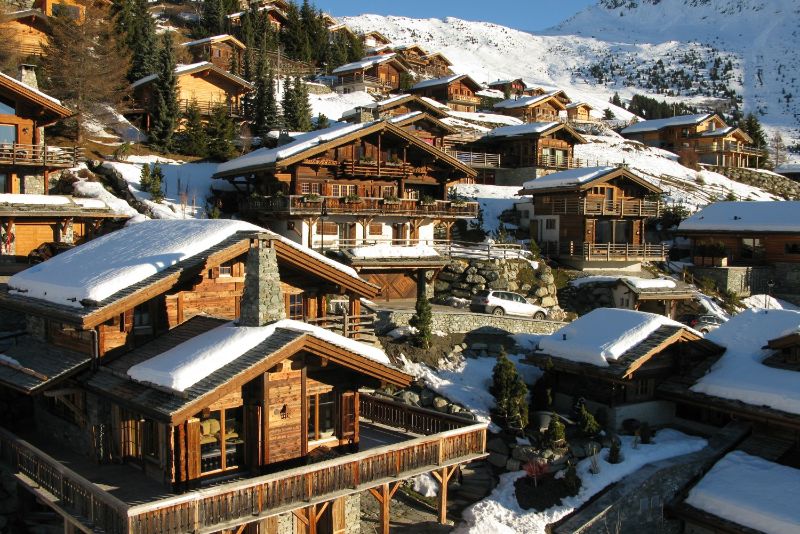
The secret of spring skiing is timing: start early on firm snow, follow the sun around the mountain as the pistes soften, stop before the afternoon slush and protect your skin and eyes from intense high-altitude sun. Resorts within reach of Geneva Airport, from Chamonix (90 km, about 1 h 15) to Verbier (160 km, about 2 h), are ideal for a sunny March or April break. AirportsTransfers.ch takes care of the drive so you arrive rested.
- Morning: hard, fast snow on shaded slopes, softening first on east faces
- Late morning: the softest, most enjoyable snow on most slopes
- Afternoon: heavy, wet snow lower down, so plan lunch and a lift down
- Sun: high-factor sunscreen, lip balm and category 3 or 4 lenses
- Kit: thin layers, a light shell and a spare pair of gloves
Read the mountain like a clock
Spring snow responds directly to the sun, so the mountain changes from hour to hour. Slopes facing east catch the first light and are usually the first to soften, which makes them a good choice for your opening runs once the surface has relaxed a little. South-facing slopes follow by late morning, and west-facing runs come into their own around midday. North-facing pistes stay firm the longest and keep better snow into the afternoon. Many experienced skiers plan their day along this path, rather than staying on one lift. Before you set out, look at the piste map with this in mind, and ask the lift staff or ski patrol which sectors are in good condition. If the night was cloudy, the snow may not have frozen at all and will be soft from the start, so adjust accordingly.
Making the most of early starts
First lifts in spring can be worth the alarm clock, but not always for the reasons you expect. Right after opening, groomed pistes are often like corduroy: firm and fast, good for carving if your edges are sharp. Ungroomed slopes, on the other hand, may be rutted and frozen until the sun has worked on them, so it is better to wait. Having your skis serviced before the trip pays off, because sharp edges grip on morning ice and a fresh wax helps you glide over wet snow later. Lessons and guided sessions are often scheduled in the morning for the same reason. A useful habit is to aim for your longest, most ambitious runs between mid-morning and lunch, then ease off as conditions turn heavy.
Sun protection at altitude
Sunburn is the most common spring skiing mistake. At altitude the air is thinner and the snow reflects much of the light back at you, so the sun is far stronger than it feels, even on a cool day. Apply a high-factor sunscreen before you leave and again at lunch, not forgetting ears, the underside of the nose and the chin, which catch reflected light. Lip balm with sun protection is essential. Eyes need proper protection too: good sunglasses or goggles with high-category lenses reduce glare and fatigue, and wrap-around shapes keep side light out. Drink plenty of water, because dry mountain air and exercise dehydrate you quickly, and the effect is easy to underestimate when you are enjoying yourself on a terrace.
Dressing for warm days and cold lifts
Spring days can start below freezing and reach t-shirt temperatures on a sheltered terrace. Layering is the answer: a thin base layer, a light mid-layer and a breathable shell that can be unzipped or packed away. Heavy winter jackets quickly become uncomfortable. Carry a spare pair of thin gloves, because wet snow soaks through quickly, and a small backpack helps with layers, water and sunscreen. Helmets remain a good idea, and many come with vents that can be opened on warm days. If you ski off-piste with a guide, spring brings specific risks as the snow warms, which is why guided outings tend to finish early in the day.
Après in the sun
Spring is the season of long lunches and lazy afternoons on sunny terraces. Many mountain restaurants and bars set out deckchairs, and live music is common in resorts with a lively après scene. Once the snow lower down has turned heavy, consider taking a lift back down rather than skiing the last slushy run to the village; it is easier on the knees and often quicker. Keep in mind that the sun drops behind the ridges earlier than you expect in the valley, and temperatures fall quickly once it does.
Getting to the slopes with AirportsTransfers.ch
Book your transfer online and see the fixed price for the whole vehicle before paying by card, Apple Pay or Google Pay. Your chauffeur meets you at arrivals with a name sign, tracks your flight and waits at no extra charge if you are delayed. Mention skis, boots and boards when you book; groups with equipment are usually best served by the Mercedes V-Class van, which carries up to seven passengers and their kit. Child seats are provided on request. For questions or last-minute changes, call or WhatsApp +41 78 346 56 77, and remember to book the return so you are back at Geneva Airport in good time.