Shoulder season in the Alps covers the in-between months: late spring after the ski lifts close, and autumn after summer hiking winds down. Resorts are quieter, some hotels and lifts pause, and the valleys feel more local, which suits travellers who value calm over a full programme. Planning matters more at these times, and a private transfer with AirportsTransfers.ch keeps getting there simple when public services run reduced timetables.
- When: roughly after Easter to mid-June, and from mid-September to early December
- Main advantage: quieter villages, easier booking and a relaxed pace
- Main drawback: many lifts, hotels and restaurants close for a few weeks
- Best for: walking, lakes, food and wine, spas and photography
- Plan ahead: check what is open in your chosen resort before you book
What shoulder season means
Alpine resorts live by two main seasons: winter for skiing and summer for hiking and sightseeing. Between them come weeks when lifts stop for maintenance, many hotels close for staff holidays or renovations, and some villages become very quiet. In late spring the snow retreats from the lower slopes while the high passes remain closed; in autumn the summer infrastructure shuts down before the first snow.
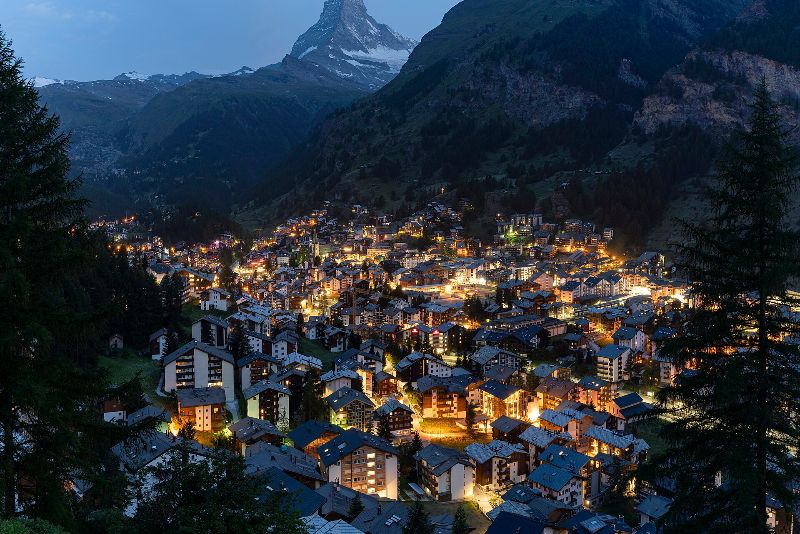
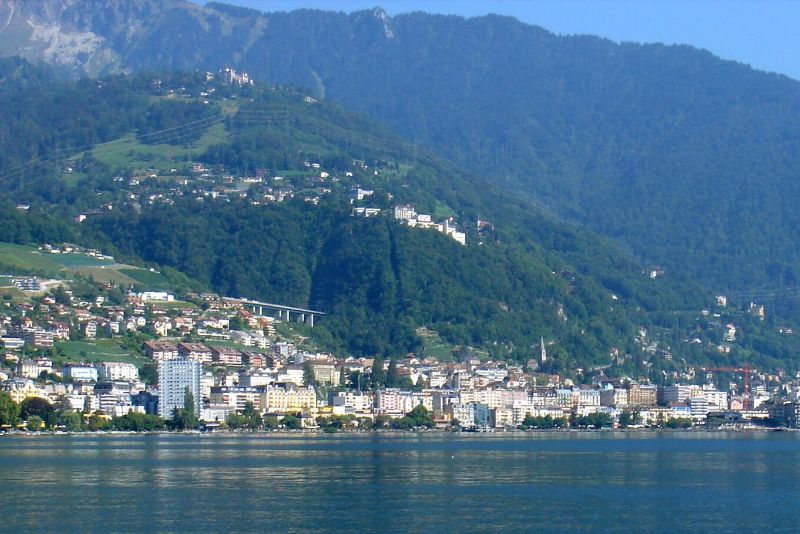
Not every place empties out. Year-round towns with a strong local life, such as Chamonix, Zermatt or Montreux on the lake, keep a good share of hotels and restaurants open. Purpose-built ski stations, by contrast, can be almost deserted between seasons.
Late spring: blossoms below, snow above
From late April into June the valleys turn green and the orchards and meadows bloom, while snow still caps the peaks. It is a lovely time for lakeside walks, vineyard visits and low-level hiking. Higher trails may still hold snow, and mountain huts are often not yet staffed, so ambitious routes are best left until summer.
Some high-altitude areas keep skiing into spring, and glacier skiing at Zermatt is known for extending well beyond the main season. For most resorts, though, May is a closed month for lifts. Weather can swing between warm sunshine and cool, showery days, so layers are essential.
Autumn: golden larches and harvests
September often brings settled weather, and in many resorts summer lifts continue to run into the month. October is the season of golden larch forests, grape harvests along Lake Geneva and in the Valais, and village food festivals. Light is soft and photographs come out beautifully.
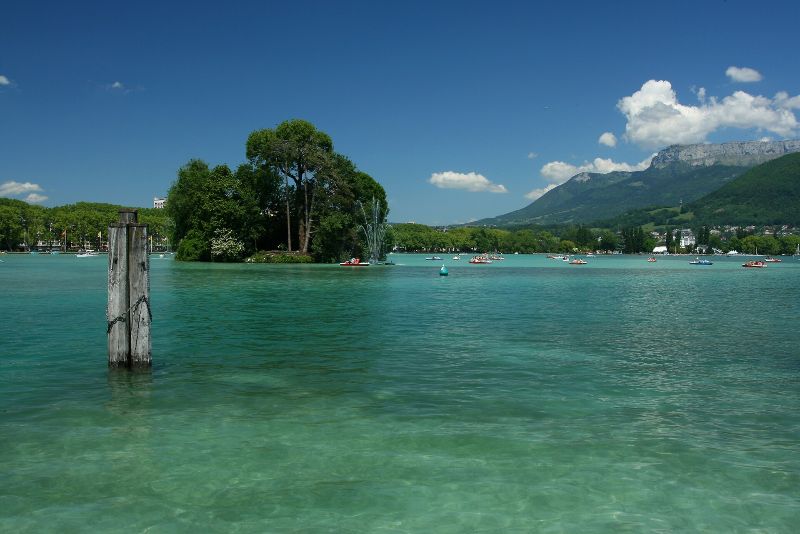
By November most resorts are in their quietest phase, preparing for winter. Snow can arrive early at altitude, so mountain roads may need winter equipment even before the ski season starts. Down by the lakes, Annecy, about 44 km and 40 minutes from Geneva Airport, and Montreux, around 91 km and 1 h 05, remain lively alternatives.
The value of travelling off-peak
The appeal is not only fewer people. In shoulder season you are more likely to find availability in popular areas, restaurants can be booked at short notice, roads are quieter and the atmosphere is more relaxed. Hotels that remain open often treat guests with more time and attention. For business travellers or those combining a Geneva meeting with a few days in the mountains, the calm can be a real bonus.
The points to weigh up:
- Some lifts, mountain restaurants and huts will be closed
- Public transport to smaller villages may run reduced services
- Weather is more changeable, especially at altitude
- Mountain passes can still be closed in late spring or close early in autumn
With a flexible plan and a few options for rainy days, these are rarely deal-breakers.
How to plan a shoulder-season trip
Start by checking which hotels and lifts will be operating during your dates, as resort websites and tourist offices publish this ahead of each season. Choose a base that stays active year-round, so you are not reliant on one closed restaurant for dinner. Pack for both warm afternoons and cold mornings, and keep a list of indoor alternatives such as thermal baths, museums or wine cellars.
Transport is easier to arrange in advance than on the day, especially if you plan to move between valleys or combine the mountains with a lake town. A chauffeur can also wait while you visit a viewpoint or vineyard if you book hourly service, with a minimum of two hours.
Arranging your transfer
Book with AirportsTransfers.ch online and you will see a fixed price per vehicle before paying by card, Apple Pay or Google Pay. A chauffeur follows your flight, greets you in the arrivals hall with a name sign and waits if you land late. Child seats can be requested at no extra fuss, and any skis or bikes should be noted at booking. For return trips, hourly hire or a quick question, call or WhatsApp +41 78 346 56 77, available every day.