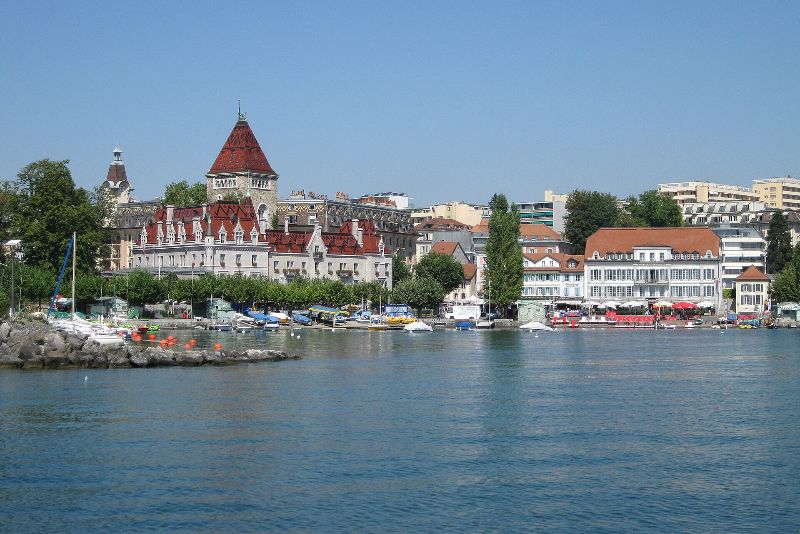
The Bise is a cold, dry wind from the north-east that sweeps across the Swiss Plateau and funnels down Lake Geneva, often blowing for several days at a time. It can make the city feel far colder than the thermometer suggests, whip the lake into choppy waves and, in hard winters, coat the lakeside in ice. For visitors it mostly means one thing: dress for the wind, and let AirportsTransfers.ch handle the cold wait at the kerb when you land.
- What it is: a cold, dry north-easterly wind channelled between the Jura and the Alps
- Where it bites hardest: the lakeside quays, bridges and open areas of Geneva
- Typical effect: the air feels several degrees colder than the actual temperature
- When it blows: possible in any season, but most noticeable from late autumn to early spring
- What to wear: windproof outer layer, hat, gloves and a scarf even on sunny days
Why Geneva gets the Bise
Geneva sits at the south-western tip of the Swiss Plateau, the broad lowland between the Jura mountains to the north-west and the Alps to the south-east. When high pressure builds to the north of Switzerland and lower pressure lies to the south, cold air flows south-westwards across the plateau. The two mountain ranges act like the walls of a funnel, and the gap narrows as it approaches Geneva, so the wind accelerates just as it reaches the city and the lake.
This is why the Bise is often stronger in Geneva than in Lausanne or further up the plateau. The air is usually dry and clear, so Bise days are frequently bright and blue, which can be deceptive: the sky looks inviting while the wind cuts straight through a light coat. A Bise episode can last a single afternoon or settle in for the best part of a week before the pressure pattern shifts.
What it does to the lake and the city
Lake Geneva is normally a calm, reflective body of water, but under a strong Bise the surface turns grey-blue and choppy, with white caps and waves slapping against the quays. The famous Jet d'Eau fountain is sometimes switched off in very strong wind because the spray would blow across the promenade and the bridge. Boats on the lake may run a reduced service or stay in port when conditions are rough.
In the coldest spells the spray freezes on contact with railings, benches, trees and parked cars along the shore, producing the sculpted ice scenes that appear in photographs of Geneva from time to time. It looks spectacular, but pavements by the water can become slippery, so take care if you walk along the lake on such a day.
Away from the water the effect is gentler. The narrow lanes of the Old Town and the courtyards around them give some shelter, and once you are inside a tram or a vehicle the wind is simply something to look at through the window.
How cold does it feel?
The Bise does not necessarily bring extreme temperatures, but it strips heat from exposed skin quickly. A winter day that reads just above freezing can feel well below it on an open bridge, and even a fresh spring day can turn uncomfortable by the lake. In summer a light Bise is actually welcome, bringing clear air and relief from humid heat, so the wind is not always an enemy.
Travellers arriving from milder climates are often caught out because the airport forecast looks reasonable. If the forecast mentions Bise, assume it will feel noticeably colder than the figure on your phone and plan your outdoor time accordingly: morning walks on the quays are best kept short, while museums, the Old Town and indoor markets make good fall-back options.
What to wear and pack
Layering works better than one very heavy coat, because you will move between wind-blasted streets and warm interiors throughout the day. A few items make the biggest difference:
- A windproof shell or coat with a hood that fastens snugly
- A warm hat that covers the ears, plus gloves
- A scarf or neck tube to protect the face on bridges and quays
- Lip balm and moisturiser, as the air is very dry
- Shoes with decent grip if ice is forecast near the lake
Sunglasses are worth packing too: Bise days are often bright, and the low winter sun reflecting off the lake can be dazzling. If you are heading on to the mountains, the same kit doubles as your après-ski layer, so it rarely goes to waste.
Travelling to and from the airport on a Bise day
The wind itself rarely disrupts the drive between Geneva Airport and the city or the resorts, although open stretches of motorway can feel gusty and high-sided vehicles may be buffeted. The main discomfort is waiting outside: queuing for a taxi or walking to a car park with suitcases in a biting wind is nobody's idea of a good start.
With a pre-booked chauffeur the vehicle is warm and ready, the driver meets you inside the arrivals hall and you spend only a few moments outdoors. The same applies on departure, when it helps to be collected at the hotel door rather than walking to a tram stop by the lake.
Booking a warm, door-to-door transfer
You can book online with AirportsTransfers.ch and see the fixed price per vehicle before you pay, by card, Apple Pay or Google Pay. Your chauffeur follows your flight in real time, waits for you with a name sign in arrivals, and the wait is included if the flight lands late. Child seats are available on request, and skis or snowboards should be declared at booking so the right vehicle is sent, whether a Mercedes E-Class sedan or a V-Class van. For a quick question, call or message +41 78 346 56 77 on WhatsApp, around the clock.