In late autumn and winter, Geneva and the Swiss Plateau are often covered by a grey layer of fog or low cloud while the mountains above bask in sunshine. This is a temperature inversion: cold, damp air is trapped in the lowlands under warmer air higher up, and it can linger for days. A short drive uphill is usually enough to escape it, and AirportsTransfers.ch can take you there directly from the airport.
- What causes it: a temperature inversion trapping cold, moist air over the lowlands
- When it is common: late autumn and winter, especially during settled high-pressure spells
- Escaping it: climb to the Jura, the Salève or the Alpine resorts, often into sunshine
- Effect on flights: low visibility can slow arrivals and departures at times
- Effect on the road: slower motorway driving in thick patches; mountain roads above are often clear
How inversion fog forms
Normally air gets colder as you go higher. During calm, settled weather in the colder months the opposite can happen: the ground loses heat on long nights, the air just above it cools, and because cold air is heavier it pools in the basins and valleys. Warmer air sits on top like a lid. Moisture from the lakes and rivers condenses in the cold layer, producing fog at ground level or a flat ceiling of low cloud a few hundred metres up.
The Swiss Plateau is particularly prone to this, because it is a wide basin closed in by the Jura and the Alps. Geneva, at its south-western end, often sits under the same grey blanket as Lausanne, Bern and much of the lowland. Locals have a word for the mood it brings, and many simply head uphill at weekends to find the sun.
What a fog day looks like
On the ground the day stays grey, damp and still, with temperatures hovering a little above or around freezing. Sometimes the fog lifts into low cloud by late morning and the city is merely dull; on other days it never clears and visibility stays poor until evening. Hoar frost can form on trees and fences, which is pretty but makes surfaces slick.
From above, the scene is completely different. From a viewpoint on the Salève or in the Jura, the plateau appears as a flat white sea of cloud with the peaks of the Alps rising out of it, including the Mont Blanc massif to the south-east. It is one of the most striking sights of a Geneva winter and the reason a short excursion upwards is so rewarding.
Escaping above it
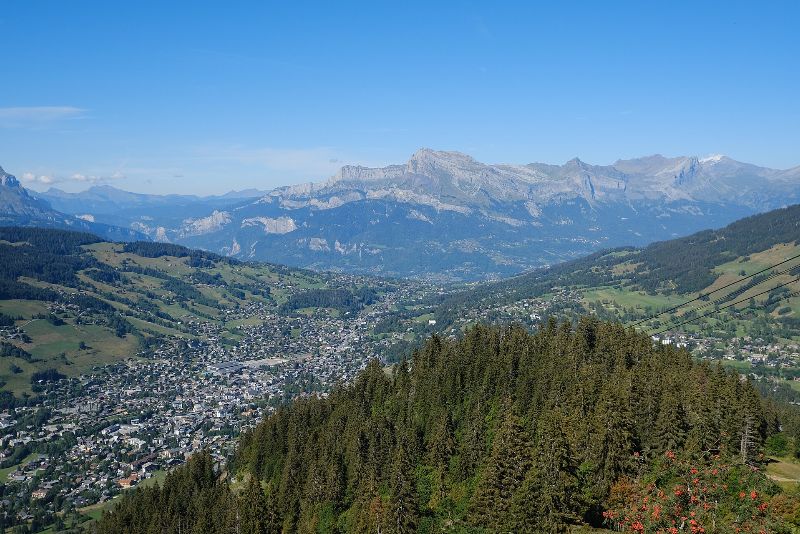
If you are staying in Geneva and the forecast promises sun above the fog, any reasonable climb tends to work. The Salève, just over the border in France, and the crests of the Jura are the closest options. The ski resorts are almost always above the inversion, so guests heading to the mountains often leave the airport in grey gloom and arrive in bright sunshine.
Typical drive times from Geneva Airport give a sense of how quickly you can get out of the murk:
- Megève: about 75 km and 1 h 10
- Chamonix: about 90 km and 1 h 15
- Verbier: about 160 km and 2 h
- Gstaad: about 160 km and 2 h
The fog layer rarely reaches high, so the change often happens partway up the valley road, sometimes quite suddenly. It is worth keeping sunglasses handy rather than packed in the boot.
Fog and flights at Geneva Airport
Airports are equipped for low visibility, and Geneva handles fog days routinely. When visibility drops below certain limits, however, air traffic control applies special procedures that increase the spacing between aircraft. That reduces the number of movements per hour, so some flights can be held, delayed or, in rare cases, diverted. Early morning is the most likely time for thick fog, and it often improves later in the day.
If you are flying in on a foggy morning, keep an eye on your airline's app and allow some slack in onward plans. If you have booked a private transfer, your chauffeur tracks the flight and adjusts the pick-up time automatically, so a late landing does not mean a missed connection with your car.
On the road in fog
Motorways around Geneva remain open in fog, but traffic moves more slowly in thick patches and visibility can change within a few hundred metres. Drivers use dipped headlights, keep larger gaps and avoid sudden lane changes. Once the road starts to climb towards the mountains, conditions frequently clear and the drive becomes much more pleasant.
For visitors unused to such conditions, especially after a long flight, this is a good reason not to drive yourself. A professional chauffeur who drives the routes regularly knows where the fog tends to sit and plans timings with a margin.
Booking a transfer through the grey
Booking with AirportsTransfers.ch takes a few minutes online: the fixed price for the vehicle appears before payment, which you can make by card, Apple Pay or Google Pay. Your chauffeur waits in arrivals with a name sign, follows the flight and includes waiting time if fog delays your landing. Child seats can be added on request, and skis should be listed at booking so a suitable car or van is assigned. Questions at any hour go to +41 78 346 56 77, by phone or WhatsApp.