A two-week grand tour from Geneva to the Dolomites links some of the most celebrated mountain scenery in Europe: Lake Geneva, Zermatt and the Matterhorn, the Engadine around St. Moritz, then the jagged limestone peaks of South Tyrol and the Veneto. Allow about fourteen days, travel in summer when the high passes are open, and keep driving stages to a few hours each. AirportsTransfers.ch can handle the legs by road so you arrive at each stop rested.
- Duration: around two weeks, with two to four nights per base
- Best season: late June to September, when the passes are open
- Countries: Switzerland and Italy; the route crosses the border into Italy
- Key bases: Montreux, Zermatt, St. Moritz, Val Gardena or Cortina
- Ending options: drive back to Geneva or finish near Milan or Venice
The shape of the tour
The route runs west to east along the spine of the Alps. Rather than chasing distance, the idea is to settle in a handful of bases and explore each one properly. Long drives are broken by stops at lakes, passes and villages, so even the longest leg feels like a day out rather than a transfer. A realistic outline looks like this:
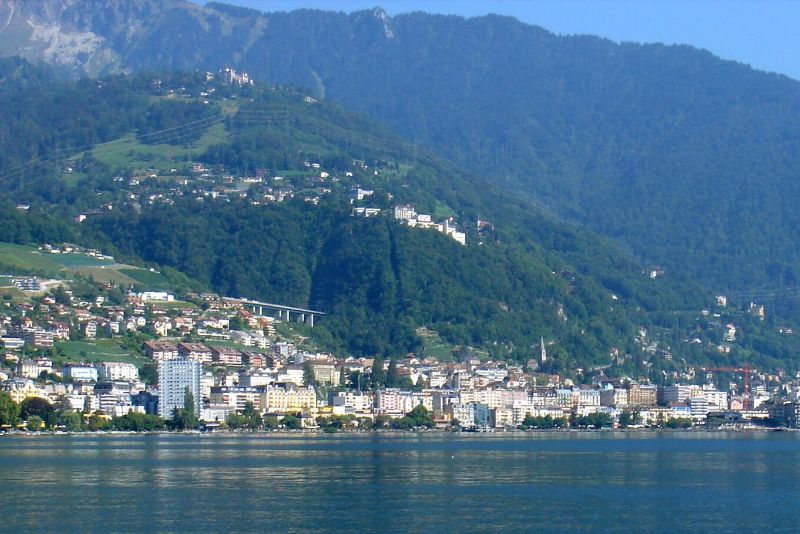
- Days 1 to 2: Lake Geneva, with Lavaux vineyards and Montreux (91 km from the airport).
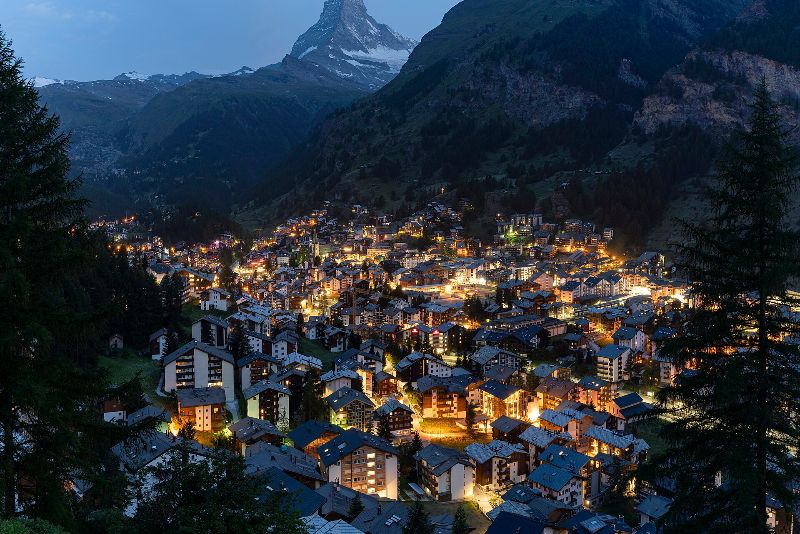
- Days 3 to 5: Zermatt, reached via Täsch (231 km, around 2 h 35) and the shuttle train.
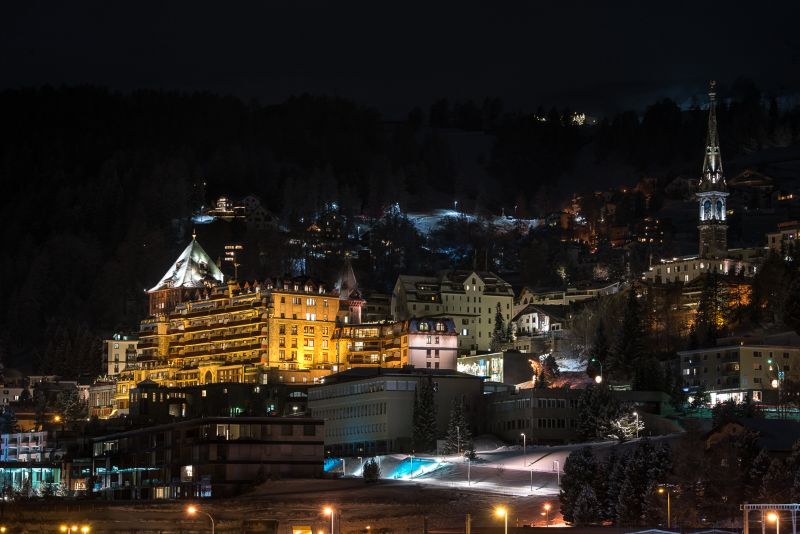
- Days 6 to 8: the Engadine and St. Moritz, via the Furka and Oberalp or the Albula.
- Days 9 to 13: the Dolomites, with bases in Val Gardena, Alta Badia or Cortina.
- Day 14: the journey home, by road to Geneva or to an Italian airport.
Week one: Lake Geneva, Valais and Zermatt
Start gently. After landing at Geneva Airport, head along the lake to Montreux or a Lavaux village, where terraced vineyards drop straight into Lake Geneva and Chillon Castle sits on its rock by the water. From there the road follows the Rhône valley into Valais, past Sion and its two hilltop castles, then turns into the Mattertal. Zermatt is car-free, so the road ends at Täsch, where a shuttle train covers the last few minutes into the village.
Give Zermatt at least two full days. The Gornergrat railway, the Matterhorn Glacier Paradise cable car and the walking trails around the Riffelsee are the classic outings, and the village itself rewards slow wandering among its old larch-wood granaries. If the weather hides the Matterhorn on day one, a spare day usually brings a clear morning.
Crossing to the Engadine
The leg from Valais to the Engadine is one of the great Alpine drives. From the upper Rhône valley the road climbs the Furka, passes the Rhône Glacier viewpoint, drops to Andermatt and climbs again over the Oberalp into Graubünden. From the Rhine valley around Chur, the Albula or Julier pass leads into the Engadine. It is a long day, so plan a lunch stop and arrive in St. Moritz or a quieter village such as Pontresina, Sils or Samedan in the late afternoon. Travellers who prefer rail can do this stretch on the Glacier Express while their luggage follows by car.
In the Engadine, lakes line the wide valley floor, the Bernina range rises to the south and the light is famously clear. Walks around Sils and the Fex valley, the Diavolezza or Corvatsch cable cars and the Bernina line towards Italy fill two or three days easily.
Into the Dolomites
From the Engadine, the road over the Ofen Pass crosses the Swiss National Park, then descends into Val Müstair and over the border into Italy's Val Venosta. Keen drivers can add the Stelvio, one of the highest and most famous pass roads in the Alps, reached via the Umbrail. The valley leads on to Merano and Bolzano, gateway to the Dolomites, which are listed as a UNESCO World Heritage site for their pale, vertical rock formations.
Base yourself in Val Gardena or Alta Badia, where Ladin culture, wooden carving traditions and South Tyrolean cooking mix Italian and Austrian influences. From there, the Sella pass loop, the high meadows of the Alpe di Siusi and the cable cars up to the rock walls offer endless variety. Cortina d'Ampezzo, further east, gives access to the Tre Cime di Lavaredo, the three towers on so many Dolomites postcards.
Pacing, luggage and the way home
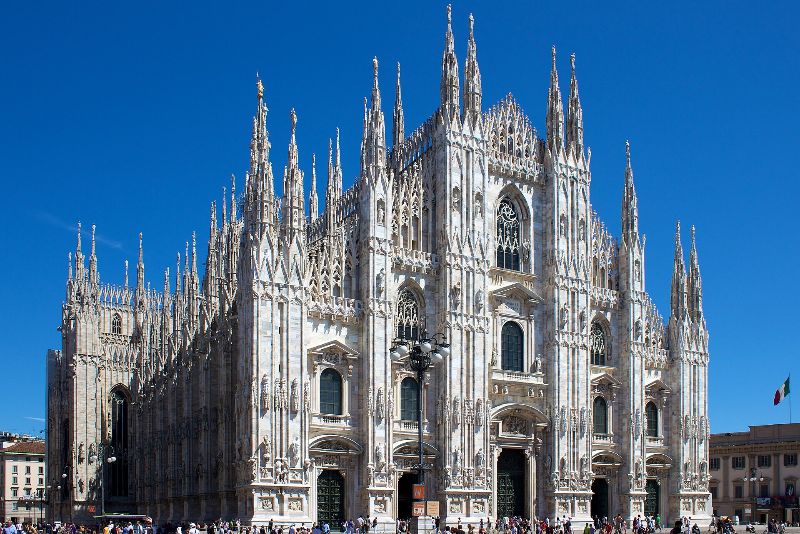
Two weeks of mountain roads can tire passengers, so alternate driving days with rest days and avoid long legs after late dinners. Pack layers for altitude, and keep one smaller bag for overnight stops so that large cases can stay in the vehicle. For the return, the most relaxed choice is often to fly home from an Italian airport; Milan is about 329 km from Geneva Airport, roughly 3 h 50 by road. Driving the whole way back to Geneva is possible in one long day via the Simplon or Mont Blanc route.
Planning the transfers for your grand tour
You can book each leg as a separate transfer or reserve a chauffeur by the hour (minimum two hours) for days with sightseeing. AirportsTransfers.ch confirms a fixed price per vehicle before payment, with secure online checkout by card, Apple Pay or Google Pay. On arrival at Geneva, a driver waits with a name sign, and flight tracking means a delay does not cost you your pickup. A Mercedes V-Class Van takes up to seven passengers and ten bags, which suits two weeks of luggage; child seats are available on request and skis or bikes should be declared at booking. To shape a multi-leg itinerary, call or send a WhatsApp to +41 78 346 56 77.