Arriving in Switzerland with a dog means preparing three things: the paperwork, which in broad terms covers a microchip, rabies vaccination and pet passport; the collection of your dog at Geneva Airport; and a calm onward journey. A pre-booked car from AirportsTransfers.ch, with the dog declared at booking, takes care of the last part so you can focus on your companion.
- Identification: an ISO-standard microchip, in general terms
- Health: valid rabies vaccination recorded in the documents
- Paperwork: EU pet passport or official health certificate
- Check with: your vet and official veterinary authorities
- Onward travel: vehicle with space for a crate, declared in advance
Paperwork in broad terms
Switzerland largely aligns its rules for dogs, cats and ferrets with those of the European Union. For a dog travelling from an EU country, the essentials generally are a microchip, a rabies vaccination given after the chip was implanted and still valid, and an EU pet passport recording both. Dogs from countries outside the EU may need additional steps, such as a blood test showing a rabies antibody response or an official certificate, and in some cases a waiting period. The detail depends on where you are coming from and changes over time, which is why your vet and the official veterinary authority websites are the right sources. Start early: some steps take weeks or months to complete.
Keep the documents in your hand luggage, not in a suitcase, and carry copies. You may be asked to show them on arrival, and the same papers will be useful if your trip continues into France or Italy.
Dogs in the cabin or in the hold
How your dog arrives affects your timing at the airport. Small dogs travelling in the cabin, where the airline permits it, come off the aircraft with you and pass through arrivals at your side. Larger dogs travelling in the hold are usually delivered to a dedicated point for oversized or special baggage, and that can take longer than standard bags. Allow extra time and keep your chauffeur informed. With flight tracking and waiting included if the flight is late, the driver will be ready when you are, but it helps to send a quick message if collecting your dog is taking a while.
The first minutes outside the terminal
After hours in a crate, most dogs need water, a chance to relieve themselves and a short walk before getting into a car. Keep a lead, collapsible bowl, water and bags in your cabin bag. Geneva Airport is surrounded by urban areas and car parks, so use the walk to stretch rather than explore, keeping your dog close and on the lead. A few calm minutes here make the drive much easier.
Choosing the vehicle and getting settled
Tell the transfer company the dog's size and whether it will travel in its airline crate or in a car harness. A small dog in a carrier fits in a Business Sedan alongside a couple with light luggage. A large dog in a hold crate, plus suitcases, usually requires a Van (Mercedes V-Class), which has the floor space and luggage capacity. Bring a blanket or seat cover and a towel, particularly in winter when paws are wet from snow and slush. If your dog is anxious in cars, a familiar toy or item of clothing with your scent can help.
Think, too, about the time of day. Dogs that have flown overnight are often tired and settle quickly, while a dog arriving in the middle of a hot summer afternoon will appreciate a cool car and plenty of water. Avoid feeding a large meal right before the drive; a small snack after the journey is kinder to a sensitive stomach, especially if the route ends with mountain bends. Keep the lead attached to the harness during loading and unloading, as an unfamiliar car park is not the place for a nervous dog to slip away.
Onward journeys in Switzerland and France
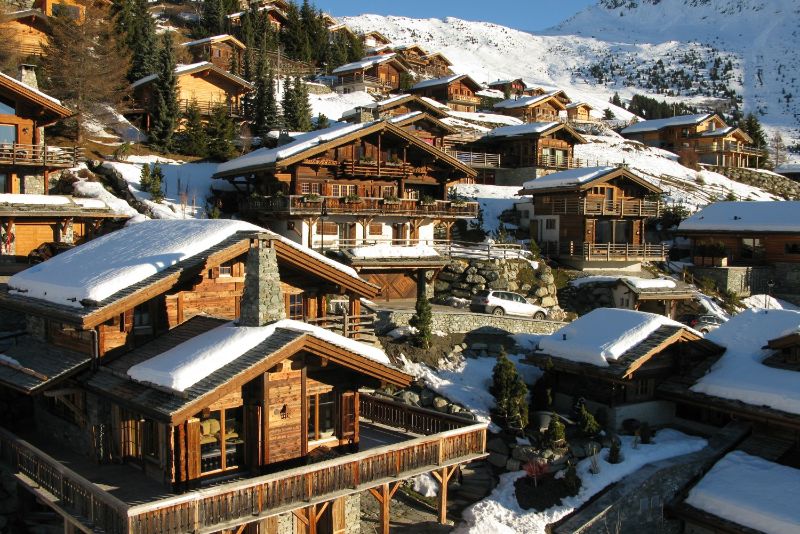
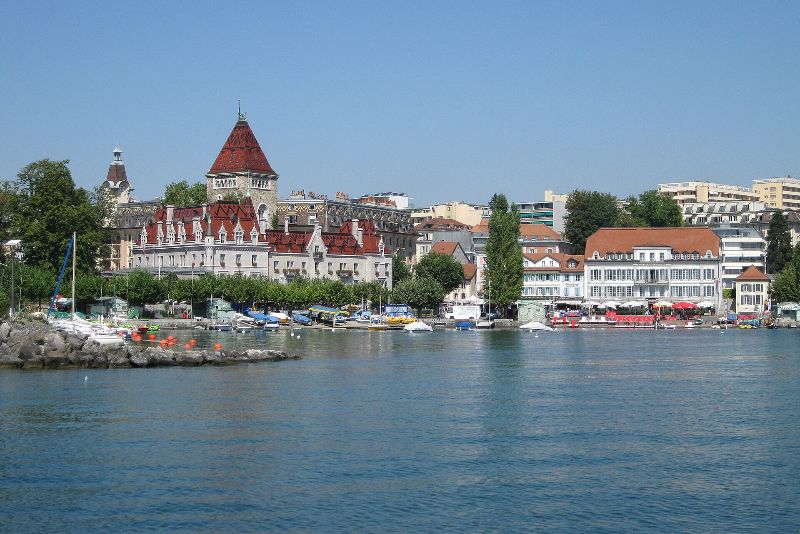
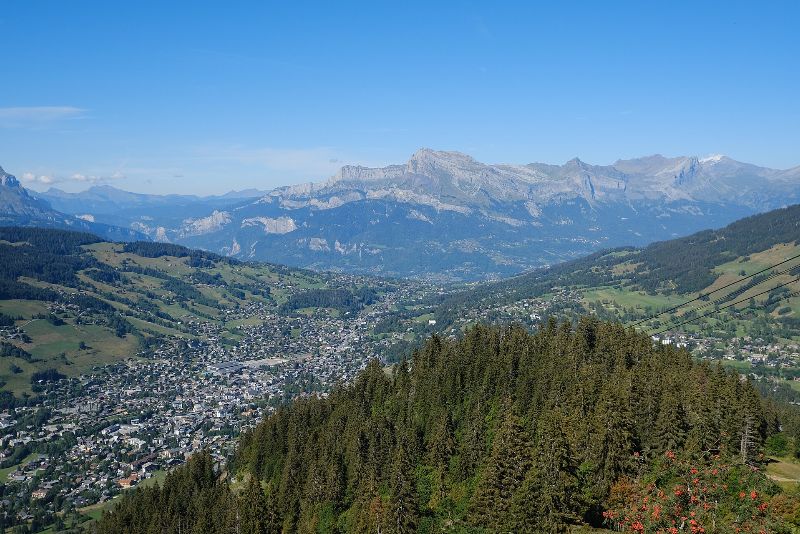
Many dog owners arriving in Geneva head to the lake, the mountains or across the border. Lausanne is about 61 km away, roughly 45 minutes, a short journey for most dogs. Chamonix, about 90 km and 1 hour 15, and Megève, around 75 km and 1 hour 10, are both in France, so your dog's papers should be ready for that crossing. For longer drives such as Verbier, around 160 km and 2 hours, plan a short stop on the way for water and a walk. Ask your accommodation in advance about their rules for dogs, as policies vary widely.
Booking a dog-friendly transfer
Reserve online with AirportsTransfers.ch and describe your dog in the booking, including breed or size and whether it travels in a crate; the team can then confirm the right vehicle. You see the fixed price per vehicle before paying by card, Apple Pay or Google Pay. Your chauffeur meets you in arrivals with a name sign and helps with luggage and crate. For any questions, contact the team around the clock on +41 78 346 56 77 by phone or WhatsApp.