Climbing and hiking gear travels well to the Alps if you pack sharp and heavy items in checked luggage, carry boots or wear them, and declare large rucksacks and kit bags when you book your transfer. From Geneva Airport, Chamonix is around 90 km (about 1 h 15), Courmayeur 107 km (1 h 30) and Zermatt is reached via Täsch, 231 km (2 h 35). AirportsTransfers.ch sends a vehicle sized for your group and its kit, so expedition bags go straight from the trolley into the boot.
- Checked luggage: ice axes, crampons, hardware, tent pegs, trekking poles
- Hand luggage: boots (or wear them), electronics, documents, first-aid essentials
- Do not fly with: gas canisters for stoves; buy fuel locally
- Declare at booking: large rucksacks, duffels and any long or awkward items
- Vehicle: V-Class for most groups; Sprinter for a large team with kit
What goes in the hold and what stays with you
Airline security rules generally prohibit sharp or pointed objects in the cabin, which covers ice axes, crampons, many tools and often trekking poles. These belong in checked luggage, well protected so that points do not damage the bag or anyone handling it. Use rubber point protectors for axes and crampon bags, or wrap them in clothing. Rules vary between airlines, so check your carrier's guidance before packing.
Mountaineering boots are expensive and hard to replace at short notice, so many climbers wear them on the plane or carry them in hand luggage. The same goes for anything you could not easily buy in the valley: a well-broken-in pair of approach shoes, prescription glacier glasses, or personal medication. Stove gas canisters cannot be carried on aircraft; plan to buy them in a mountain shop on arrival.
Ropes, harnesses and hardware
Ropes are bulky and heavy but perfectly suited to the hold. Coil them neatly and place them in a rope bag or at the centre of a duffel to cushion other items. Harnesses, slings, carabiners and belay devices can go together in a stuff sack. A full rack adds up in weight, so check your baggage allowance; splitting heavy items between two bags can avoid excess charges. Some climbers ship part of their equipment or rent technical gear locally for a short trip, which can simplify travel.
Rucksacks and duffels on the transfer
For a summer transfer, the deciding factor is volume. A 60- or 70-litre rucksack counts as one bag, but it is larger than a standard suitcase and less flexible to stack. Expedition duffels are easier to load. When booking, list each item: for example, four passengers, two duffels, two large rucksacks and a bag of poles. A Mercedes V-Class takes up to seven passengers and ten bags, which suits most climbing parties. Larger groups, guided teams or trekking clubs can use a Sprinter minibus.
- Pack rucksacks with straps tightened or covered by a bag liner to avoid snagging
- Keep trekking poles collapsed and bundled together
- Put fragile items, like a camera or GPS, in hand luggage
- Mark bags with names and a phone number
Where you might be heading
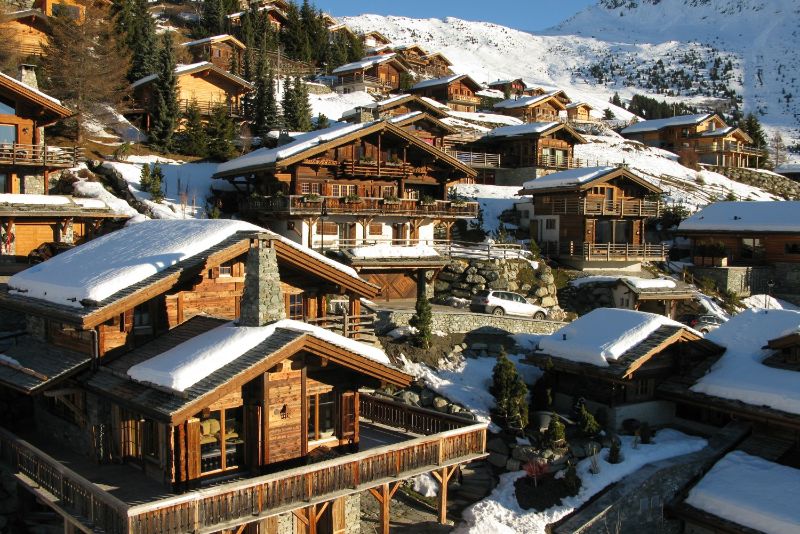
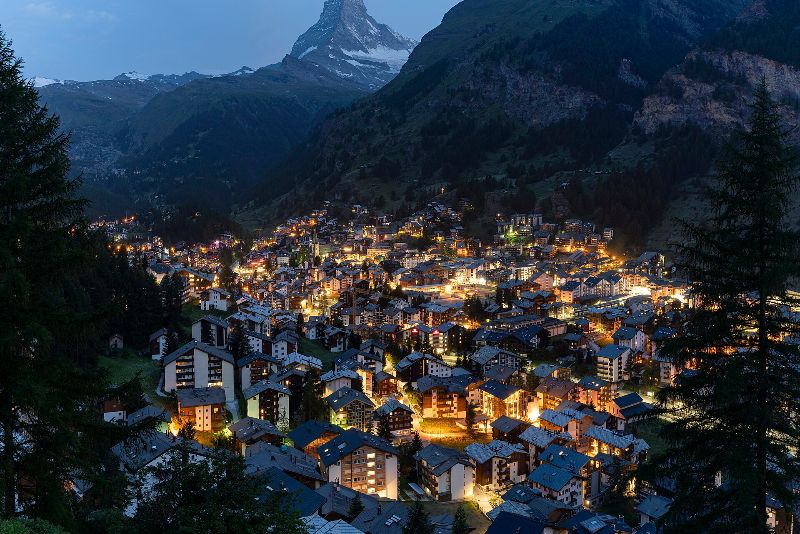
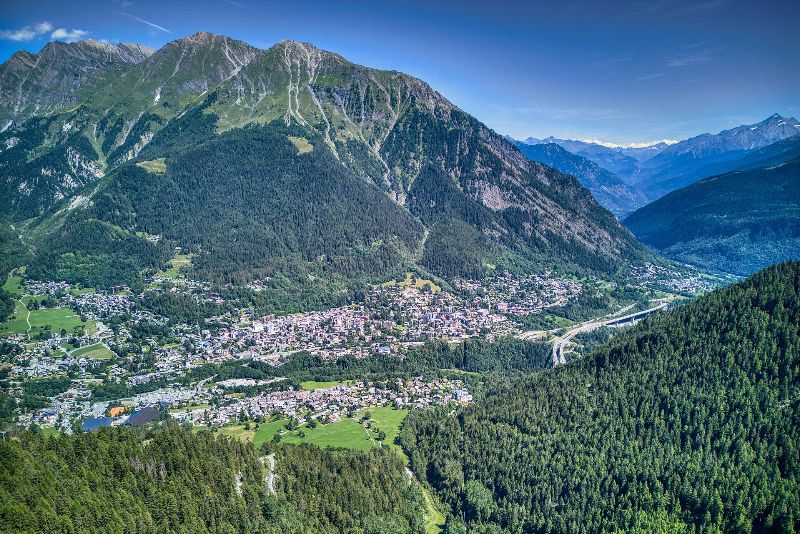
Chamonix and the Mont Blanc massif are the classic destination for alpinists arriving at Geneva, with routes for every level from via ferrata to high glacier climbs. On the Italian side, Courmayeur, reached via the Mont Blanc Tunnel, gives access to the southern faces. In Switzerland, Zermatt is the base for the Matterhorn and the surrounding four-thousanders; as the village is car-free, transfers drop you at Täsch for the short shuttle train. The Valais also has hiking hubs such as Verbier and the Val d'Hérens, while the Bernese Oberland and the Vaud Alps offer gentler trekking. Wherever you go, ask local guides' offices about current conditions; glacier and rockfall risks change from week to week in summer.
Arrival day and the return
After a flight, resist the urge to head straight up high. A first night in the valley helps acclimatisation and gives time to buy fuel, check gear and confirm weather and hut bookings. For the return, dry ropes and tents before packing; wet kit is heavier and can smell after a day in a bag. Declare the same kit for your return transfer so the vehicle still fits everything.
Booking your mountain transfer
Book online with AirportsTransfers.ch: add your flight number, list the climbing and hiking gear, and choose a vehicle. The fixed price per vehicle is displayed before you pay securely by card, Apple Pay or Google Pay. Your chauffeur meets you in arrivals with a name sign, tracks any delay and helps load heavy bags. Child seats are available on request for family trekking holidays. Not sure if a sedan or van fits your kit? Call or WhatsApp +41 78 346 56 77 with your packing list.