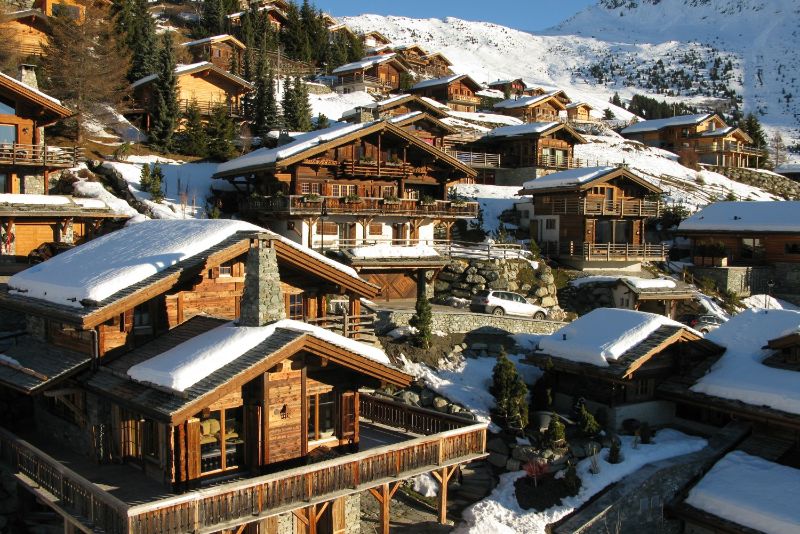
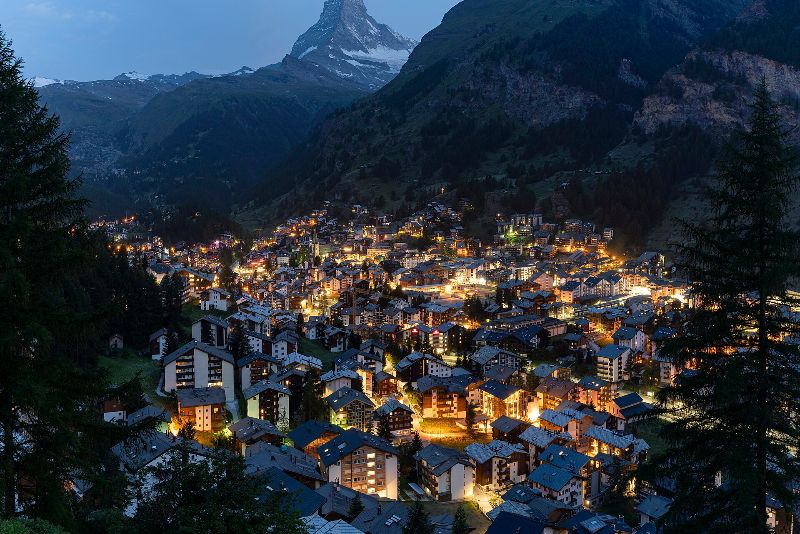
When avalanche risk or heavy snowfall closes the access road to a resort, nobody drives up until the authorities reopen it, and that includes private transfers. The usual options are to wait in the valley, use an alternative such as a railway where one exists, or stay a night below the resort and continue the next morning. AirportsTransfers.ch chauffeurs follow official road information and will talk you through the choices, whether you are heading 2 h to Verbier or towards Zermatt via Täsch.
- Who decides: local authorities close and reopen roads, not the driver
- How often: occasional, usually after heavy snowfall or storms
- Typical options: wait, take a railway where available, or stay in the valley
- Information: follow official cantonal and resort announcements
- Key advice: stay flexible and keep in touch with your transfer team
Why roads to resorts close
Many Alpine resorts sit at the end of a single road that climbs through avalanche terrain. After heavy snowfall, strong wind or a rapid change in temperature, the snowpack above these roads can become unstable. Local authorities monitor the conditions and close roads as a precaution, sometimes for a few hours while slopes are secured, occasionally for longer during exceptional storms. Closures are a safety measure, and they are respected without exception.
Closures are the exception rather than the rule. Most winter days, even snowy ones, see roads open with chains required at most. But anyone travelling to high resorts in mid-winter should know the possibility exists.
Contingency options when you cannot get through
What happens next depends on the resort and the length of the closure. The common options are:
- Waiting: if a reopening is expected within a few hours, the simplest plan is to wait in the valley, with a café or restaurant nearby.
- Rail access: some resorts have a railway or cable car link that may still run when the road is shut; Zermatt, for example, is reached by train from Täsch rather than by road.
- Overnight in the valley: if closure is expected to last into the night, finding a hotel in a valley town and continuing in the morning is often the calmest choice.
- Returning to the airport area: rarely needed, but possible if plans change entirely.
The chauffeur will tell you what they know from official sources and help you think through the choices, but cannot drive past a closure or predict reopening times with certainty.
It helps to have patience and a little humour. Valley towns are used to these situations: cafés and hotels near the foot of closed roads often fill with travellers waiting for news, and the reopening, when it comes, is usually announced clearly. Children cope better if the wait is framed as part of the adventure, with snacks and something to do. Keeping warm clothing and essentials with you, rather than in a suitcase at the bottom of the boot, makes a long wait far more comfortable.
Closures on the way out
A road closure on departure day is more stressful than on arrival, because a flight is involved. If a storm is forecast near the end of your holiday, keep an eye on official road and resort announcements from the day before. If there is a real risk of being cut off, consider leaving the resort a day early, or at least as early as possible on departure morning. Contact the transfer team early to discuss changing the pickup time. Airlines generally expect passengers to reach the airport by their own means, so it is worth checking your travel insurance for cover in case of missed flights due to weather.
Your accommodation is a useful ally. Hotels and chalet operators in high resorts deal with closures regularly and usually know how long they tend to last, where alternative links run from and how guests have been helped in the past. Ask them the day before departure if the forecast looks unsettled.
How to prepare for a high-mountain trip
A few simple steps reduce the stress if a closure does happen:
- Keep essentials, including medication and a change of clothes, in hand luggage you carry in the car.
- Save the transfer team's number and your accommodation's number in your phone.
- Ask your accommodation how guests are informed about road closures.
- Avoid tight connections on departure day during unsettled weather.
- Check that your insurance covers delays caused by weather.
Travellers to car-free resorts should also know the alternative link. For Zermatt, the drop-off point is Täsch, about 231 km and 2 h 35 from Geneva Airport, with the shuttle train for the final stretch.
Booking with flexibility in mind
Booking a private transfer means a chauffeur who knows the roads and can adapt on the day. With AirportsTransfers.ch, the price for the vehicle is fixed and shown before you pay securely online by card, Apple Pay or Google Pay. Chauffeurs meet you in arrivals with a name sign, track your flight and wait if it lands late. Skis and child seats are confirmed at booking. If weather threatens your plans, the team is available 24/7 on +41 78 346 56 77, by phone or WhatsApp, to discuss changes as early as possible.